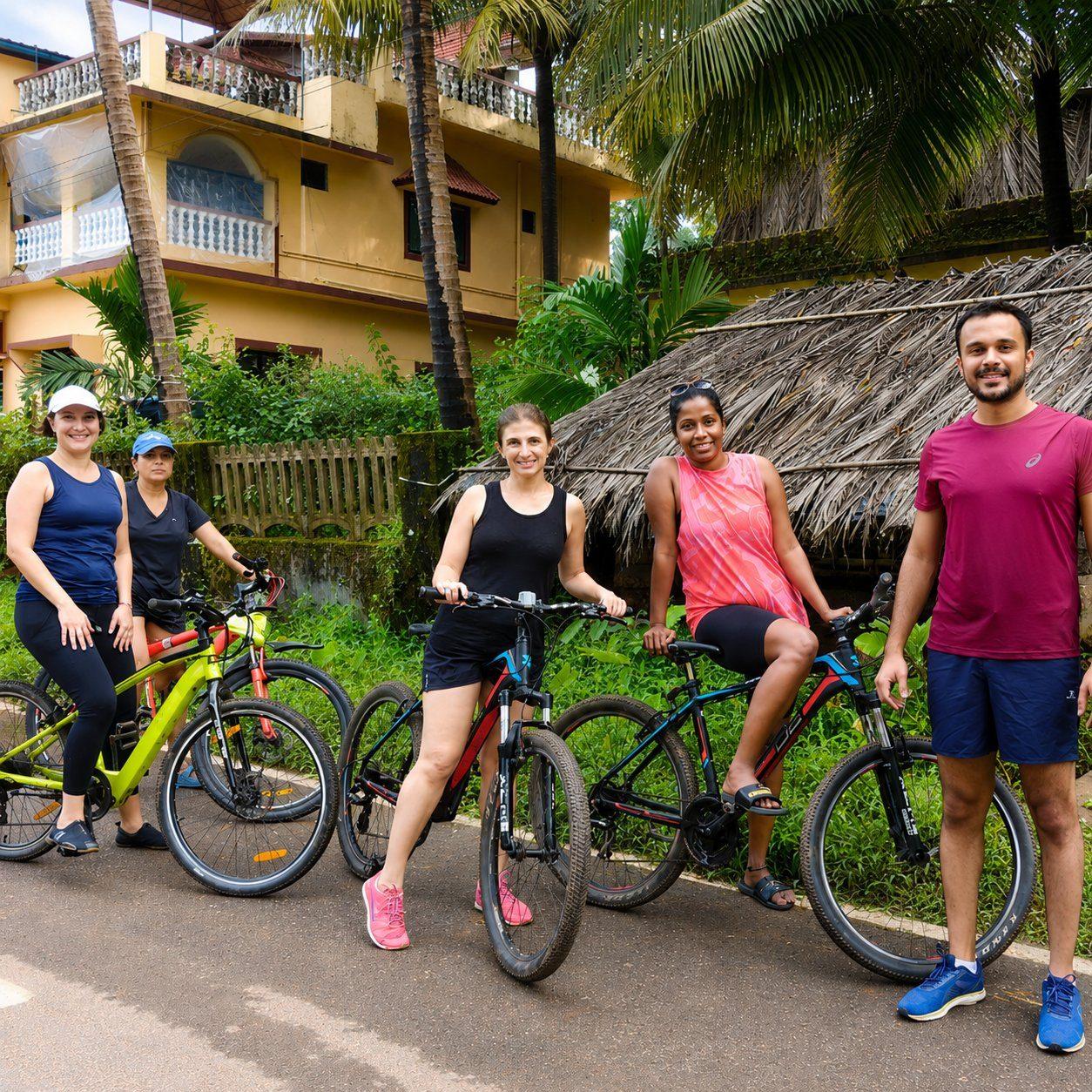
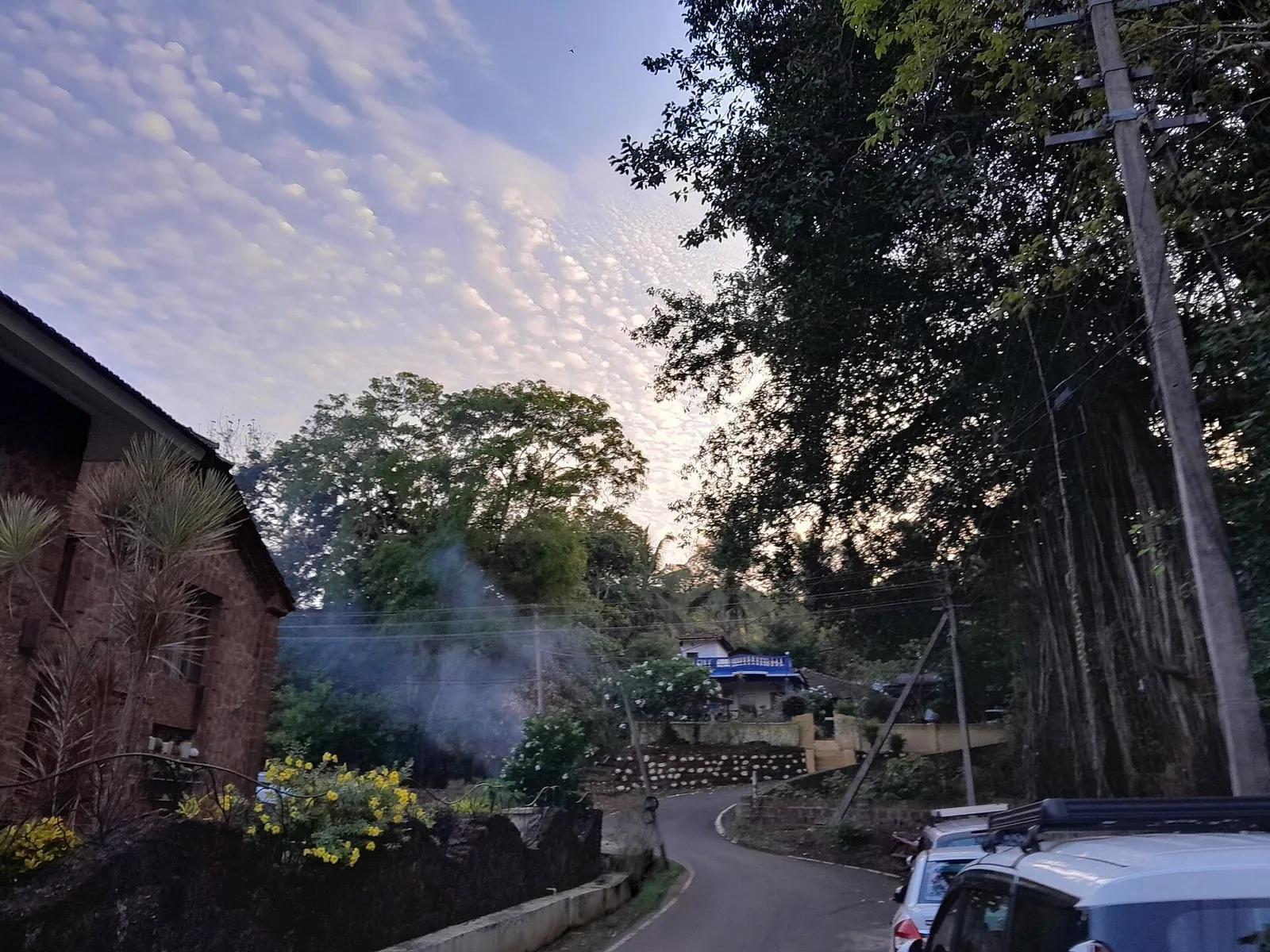
See North Goa by Bike: Villages, Forts and the Parra Palm Road
Six in the morning in Bardez, and the only sound on the road is your own tyres. The village is still shuttered, the palms are black against a paling sky, and for the first hour you have the interior lanes of North Goa almost entirely to yourself, a stray dog, a man opening a poder bakery, a cow deciding whether to move. By nine this will be a different, hotter, busier place. Right now it is the best cycling in Goa, and almost nobody on the beaches two kilometres away knows it exists.
I do not live in Goa, so this is built from what Goan cyclists and residents say online, not from my own handlebars. But the message from them is consistent and worth passing on: the coast road is miserable on a bike, and the villages behind it are a joy. Ride the back lanes, go at dawn, keep off the tourist strips, and North Goa turns into exactly the slow, green, Portuguese-flavoured place the crowds came looking for and drove straight past. Here is how, and where, and how to do it without being the tourist the locals grumble about.
Why the back roads, and not the beach road
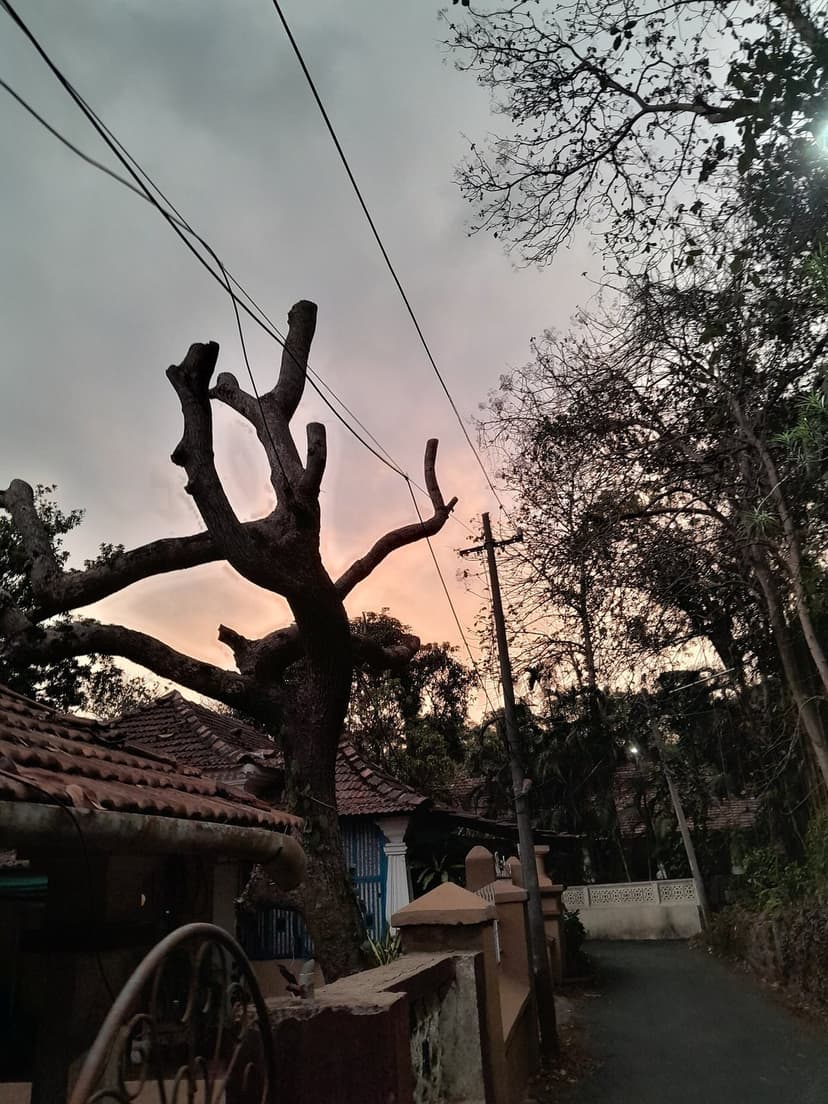
Every Goan cyclist gives the same first piece of advice, which is a warning. Stay off the highway and the north-coast beach routes. As one put it on a Goa cycling thread, as long as you avoid the highway and the North Goa tourist routes, the roads that funnel everyone to the beaches, most rides are genuinely enjoyable. The corollary is the good news: the interior is laced with quiet, shaded, low-traffic village lanes that go almost nowhere useful and are all the better for it. Another rider, asked where the best cycling was, did not hesitate, calling the island lanes of Chorao and Divar probably the best you can go.
Two honest cautions, both from locals, before you picture an empty idyll. First, ride at dawn, and not only for the light. One cyclist described starting at around six because there are hardly any vehicles then and it felt great; another, more soberly, said he had dropped a ride altogether after too many warnings about drunk driving even early in the morning. Goa's roads carry a real risk after dark and in the small hours, so dawn is the sweet spot, quiet but light. Second, the air. A resident who cycles regularly warned that the traffic corridors have got genuinely smoggy, enough that he now masks up on the busier stretches. The village interiors are fine; the arterial roads between them are the bit to plan around.
- Where to ride
- The interior Bardez village lanes: Parra, Moira, Saligao, Aldona, and the island loops of Chorao. Not the beach belt or the highway.
- When
- Dawn, from around 6am. Quiet roads, cool air, and daylight. Avoid night and small-hours riding; drunk driving is a real risk.
- How hard
- All three guided listings ask for moderate fitness. Confirm distance, climbs, surfaces and bike fit for your group rather than treating an e-bike as an effortless option.
- The forts
- Fort Aguada (1612) above Sinquerim, and the smaller restored Reis Magos below it, both reachable by back lanes rather than the coast road.
- Guided rides
- The three listed experiences name Cyclingzens as provider. Check the route, guide and inclusions offered for your date.
Three rides, all of them off the coast
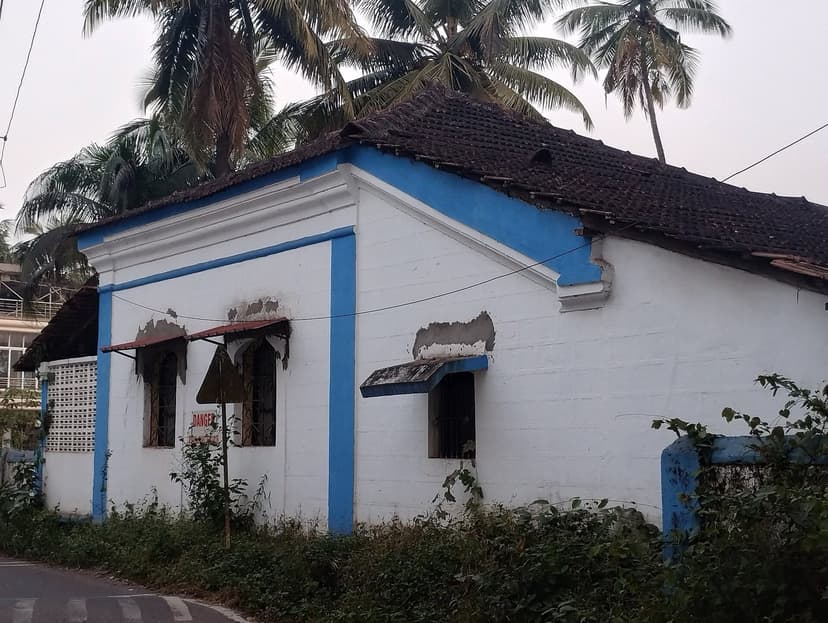
Use the village, fort and island routes below as ideas for a ride. For a guided trip, compare Chorao, Salvador do Mundo and Doorstep below. Do not assume they include the Parra or Aguada route.
- The village loop: Parra, Moira and the Bardez lanes
The classic. A flat, shaded ramble through the interior villages near Mapusa, past Portuguese-era houses, banana groves and the famous Parra palm road, on lanes with almost no traffic if you go early. This is the ride that makes the case for the whole idea. - The fort ride: back lanes to Aguada
A longer morning that threads the quiet interior out to the coast at Fort Aguada, the 1612 fort and lighthouse, with the smaller, older Reis Magos fort further up the Mandovi as a quieter add-on. The trick is reaching them by the back roads, not by fighting the Candolim traffic. - The island loop: Chorao by e-bike
The listed guided Chorao ride starts in Salvador do Mundo and crosses from Pomburpa with bicycles, then follows island village roads and birding areas near Dr. Salim Ali Bird Sanctuary. Confirm the route and riding demands for your date, and ask whether any sanctuary visit is included.
The villages are the point, not the scenery between stops
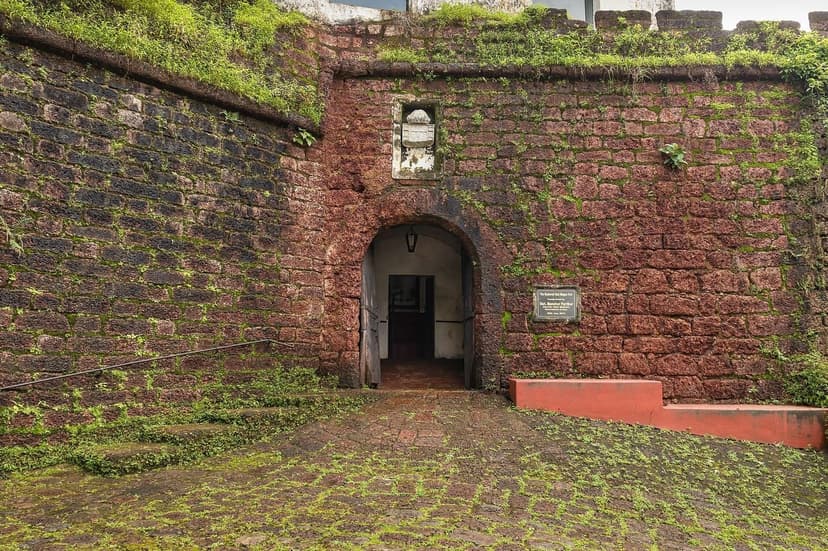
It is tempting to treat the villages as pretty backdrop between a start and a fort. They are not; they are the actual destination, and they are lived in. Parra is known across Goa for the coconut-palm avenue that a cycle route can roll straight down, and it is also, not coincidentally, the village that had to bring in a photography tax because visitors kept blocking the road to shoot it. Moira has its old churches and banana groves and backwater sluice gates; Saligao and Salmona have lanes of laterite walls and tiled Portuguese houses that look, at golden hour, like a film set nobody is allowed to redecorate.
Which is the whole reason to be on a bike and not in a car. A bicycle is the right speed and the right size for a lane that is really somebody's street: it fits, it is quiet, and it does not stop dead to photograph a house that a family lives behind. Ride through, nod, keep moving, spend a little at the bakery or the shack, and you are a welcome passer-through rather than the traffic jam the tax was invented to stop.
As long as you avoid the highway and the North Goa tourist routes, most routes are pretty enjoyable. Head out early morning, around dawn, and enjoy the cool rides without the sun.
The forts, reached the slow way
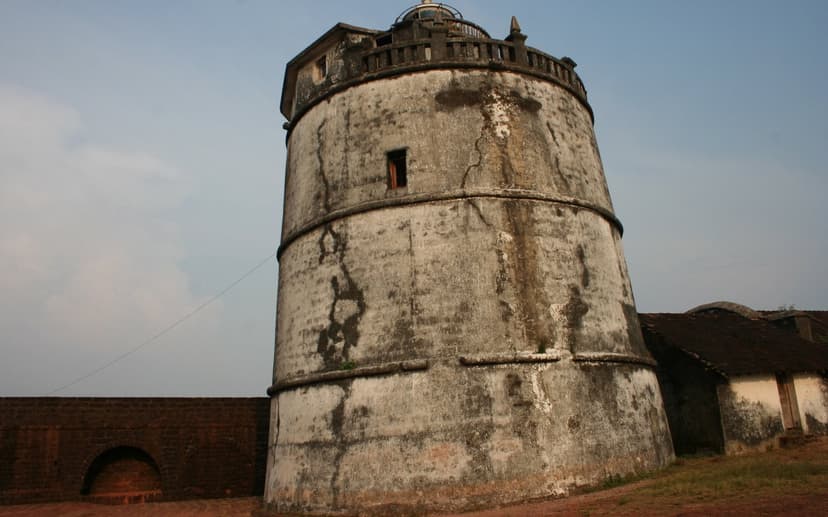
Two forts are worth working into a ride, and both are far better by bike than by taxi. Fort Aguada, the Portuguese fort and lighthouse built above Sinquerim in 1612, still guards the mouth of the Mandovi, and the pleasure is as much the back-lane approach through Nerul and Candolim's quieter edges as the fort itself. Older and smaller than Aguada, the little Reis Magos fort crowns its own headland further up the Mandovi, almost facing Panjim, and has been carefully restored into a cultural centre. It is the calmer, more human-scaled of the two, an easy add-on if you are already riding that stretch. For more forts beyond Aguada, including ruined island and river forts, see the forts nobody photographs.
Neither is a secret, and Aguada in particular gets busy later in the day, which is one more argument for the dawn start: you reach the coast with the light low and the crowds still asleep, and you are turning for home through the villages by the time the tour buses arrive.
How to ride it, and ride it kindly
Ask which bike type and frame size you can reserve for each rider; do not assume the operator can fit everyone on arrival. Cyclingzens advises a pre-ride check of bike fit, brakes, tyres and chain. Wear your helmet according to its manufacturer's instructions. All three Refuje listings include a bike and helmet and ask for moderate fitness. They say the rides are not recommended during pregnancy or for people using mobility aids or with joint issues. Discuss your riding confidence and the planned route before choosing.
And then the part that matters most in this particular Goa, the one the villages themselves keep asking for. Keep your group small. Move under your own power and at the lane's pace. Spend in the village, buy the poi and the bhaji and the tea from the people whose road you are borrowing. Do not stop in the middle of a narrow lane to stage a photograph, which is the single thing residents complain about most, whether it is a tourist or, as more than one Goan pointed out, a local doing it. Get that right and cycling North Goa becomes the best way to see it, and, just as much, the way it actually wants to be seen.
| The coast-road Goa | The back-lane ride | |
|---|---|---|
| Road | Highway and beach strips, heavy traffic | Interior village lanes, near-empty at dawn |
| Speed | Car or scooter, stop-start | A bike, at the pace of the lane |
| What you see | The same beaches as everyone | Portuguese houses, palm roads, forts, islands |
| Your footprint | One more vehicle and one more crowd | Quiet, local-spending, low-impact |
Choose a guided ride
Refuje lists three Cyclingzens experiences. Choose what you want to see and where you want to start, then check the route and total time for your date.
| Ride | What you ride through | Start and time to confirm |
|---|---|---|
| Chorao island ride | A ferry crossing with bicycles, island village roads, heritage sites and wetland birding areas near Dr. Salim Ali Bird Sanctuary, with a café breakfast stop. | Starts in Salvador do Mundo and crosses from Pomburpa. Refuje lists 3 hours; confirm the distance and what happens if the ferry plan changes. |
| Salvador do Mundo village ride | The village creek, wetlands, paddy fields and sluice gates. The listing includes an e-bike, helmet and local breakfast. | Meets at Salvador do Mundo Panchayat. Refuje lists 2.5 hours, while the supplier page says 1.5 hours; check the total time before planning around it. |
| Cycling tour from your doorstep | A custom neighbourhood ride from your hotel or villa, with café or deli stops and a choice of e-bike, MTB or hybrid. | Agree your starting address, route and preferred time. Refuje lists 6 hours, while the supplier describes the duration as flexible. |
The Chorao and Salvador listings each require at least two riders; Doorstep requires at least five. Check the date and group size before booking. A hotel or villa start is not the same as a transfer: all three listings exclude pick-up and drop-off.
Ask for the planned distance, climbs and surfaces, plus a bike type and size that suit each rider. For children, confirm the minimum age and suitable bike availability for the exact ride. Ask what support is available if someone needs to stop. Salvador lists a vehicle on standby; Doorstep lists a support vehicle without clearly describing how it is used. Check whether it stays in one place or follows the ride. Browse the North Goa things-to-do page if none of these rides fits your group.
So, is Goa worth it on a bike?
On the coast road, no. On the interior lanes at dawn, more than almost anywhere in the state. The North Goa the crowds call overrated is a beach belt; the North Goa you find from a bicycle saddle at six in the morning, the palm roads and the Portuguese villages and the mangrove islands, is the one people actually fall for. It is quieter, cooler, cheaper and kinder to the place than any other way of getting around, and it is right there, a couple of kilometres behind the sand.
Pick the interior over the coast, the dawn over the afternoon, the bike over the car, and a local guide over going it blind, and you have the best day in North Goa that most visitors never have. For the wider case on why the quiet Goa is the one worth your time, and how to tread lightly in it, there is a companion piece on whether Goa is overrated.
Common questions
Is North Goa good for cycling?
The interior is excellent; the coast is not. Goan cyclists are unanimous that you should avoid the highway and the beach-belt routes and ride the quiet village lanes of Bardez instead, through Parra, Moira, Saligao and Aldona, and the flat island loops of Chorao. Those roads are shaded, low-traffic and genuinely lovely, especially at dawn.
When is the best time of day to cycle in Goa?
Dawn, from around 6am. The roads are nearly empty, the air is cool, and it is light. Avoid night and small-hours riding: Goan cyclists warn that drunk driving is a real risk even early, so the sweet spot is early morning after first light rather than before it. Finish before the midday heat and traffic.
Where can I cycle in North Goa away from the crowds?
The Bardez village interior, Parra with its palm road, Moira, Saligao and Salmona with their Portuguese-era lanes, and above all the mangrove island of Chorao, which local cyclists rate as the best riding in the area. The back lanes out to Fort Aguada and Reis Magos are also good if you avoid the coast road.
Do I need my own bike, or can I rent one in Goa?
The three guided experiences compared here list a bike and helmet as inclusions. Chorao lists e-bike, mountain-bike or hybrid options; Doorstep also offers those choices, while Salvador lists an e-bike. Confirm the bike type and frame size for each rider before booking. All three listings ask for moderate fitness.
Can you cycle to Fort Aguada?
Yes, and it is far nicer than driving. Reach it by the quieter back lanes through Nerul and the edges of Candolim rather than the traffic-heavy coast road. The 1612 Portuguese fort and lighthouse sits above Sinquerim, and the smaller, older Reis Magos fort further up the Mandovi, now a cultural centre, makes an easy add-on. Go early, before Aguada gets busy.
Is cycling in Goa safe?
Do not treat a quiet-lane route or an early start as a safety guarantee. Before booking, discuss current road conditions, your riding confidence and the plan if you need to stop. Cyclingzens advises checking bike fit and brakes before a ride.
What is special about cycling on Chorao island?
The listed guided ride combines island heritage and wetlands with a ferry crossing from Pomburpa, starting in Salvador do Mundo, and a café breakfast stop. Its description mentions birding areas near Dr. Salim Ali Bird Sanctuary; ask separately whether a sanctuary visit is included. Confirm the distance and effort rather than assuming a flat, car-free or effortless ride.
Are the Goa cycling tours run by locals?
Cyclingzens is the named provider on all three Refuje listings compared here, and its published shop address is in Salvador do Mundo. Check the selected ride for its route, guide and inclusions rather than assuming that every village or fort ride in this guide is a sold itinerary.
Sources and a note on this guide
I write for Refuje and I do not live in Goa. The routes, the dawn-start and road-safety advice, the air-quality caution and the etiquette of riding through lived-in villages are drawn from Goan cyclists and residents on r/Goa, quoted and attributed as it appears. Nothing here is a first-hand claim of mine. The place facts were checked against current sources in July 2026.
- Fort Aguada (Portuguese fort and lighthouse, built 1612, Sinquerim) and the restored Reis Magos fort on the Mandovi, and the Bardez villages of Parra, Moira, Saligao and Aldona and the island of Chorao: Wikipedia and standard references, coordinates verified against Wikipedia.
- The ride-the-interior-not-the-coast advice, the dawn-start and drunk-driving and air-quality cautions, the Chorao and Divar island recommendation, and the named local cycling operator: attributed r/Goa threads, quoted inline.
- The guided-ride comparison uses the three linked Refuje activity listings and Cyclingzens' published Chorao, Salvador do Mundo and Doorstep descriptions, plus its FAQ and pre-ride checklist. These describe the advertised experiences, not a confirmed departure or an independent safety assessment.
Bike rental, ferry timings and which lanes are quiet change, so confirm locally and go with a guide where it helps. If you are from Goa and think this gets your villages wrong, that is the correction it should carry, so tell us.
You Might Also Like
Edge City India 2026: The Practical Guide
Three weeks in Mandrem, North Goa. October 11 to November 1, 2026. Hundreds of founders, researchers, engineers, and creators living and building on a stretch of beach that is usually known for yoga retreats and quiet cafés, not hackathons. If you have applied, or you are wondering whether you...
Solo Female Travel in Goa: An Honest Safety Guide
An honest, balanced safety guide for women travelling to Goa alone: why it's comparatively safe and loved by many yet has a real, worsening harassment problem concentrated on the party beaches, where to base for a calmer trip, and the practical choices that tilt the odds in your favour.

Working Remotely from North Goa: The Honest Digital-Nomad Guide
An outsider's honest guide to working remotely from North Goa: why it isn't the beach-office of the photos, the power-and-internet problem that decides everything, where to base (Assagao, Siolim, Caranzalem), the cost, solo-female safety, and how to be a good guest rather than a coloniser.