Off-Grid Camping Above Pulga: Bun Buni & Bhandak Thach (2026)
The best night you will spend in the Parvati Valley is not in a village. It is on a thach above one, the local word for a high summer meadow, with a tent, a fire, and nothing for company except the cold and the stars.
I will be straight about my seat, same as always. I am from Kullu, an hour down the road, and I have walked this valley for years, but I have not slept out on the Bun Buni thach myself. So this is reported, not bragged. The people who have done it are all over r/HimachalPradesh, and they say the same two things: it was one of the best nights of their lives, and it is not the casual thing the reels make it look.
- Where
- The high thaches above Pulga and Kalga, Parvati Valley
- The two camps
- Bun Buni Thach and Bhandak Thach
- Style
- Carry-in, guided, one night, tents and meals carried up
- Stage from
- Pulga or Kalga, above the Barshaini roadhead
- Best months
- Late spring to early summer, and September to October
- Hard truths
- No washrooms, bears in the forest, no road
- Why guided
- Unmarked trails, water sources, and you do not carry a tent up alone
Quick answer. Since Kheerganga's overnight camping was banned in 2024, the place to actually sleep out in Parvati is the high thaches above Pulga and Kalga, Bun Buni and Bhandak. They are carry-in camps with no facilities, so most people do them guided. Come in the dry months, not the monsoon, and pack everything out.
Where you can actually camp now
For years the answer to where do I camp in Parvati was Kheerganga. Not any more. The Forest Department banned overnight camping at the Kheerganga meadow in 2024, and the ban still holds in 2026: it is a day trek now, up in the morning and down by afternoon, and the permanent tent camps that used to cover the meadow are gone. The full rules are in our Kheerganga ban explainer.
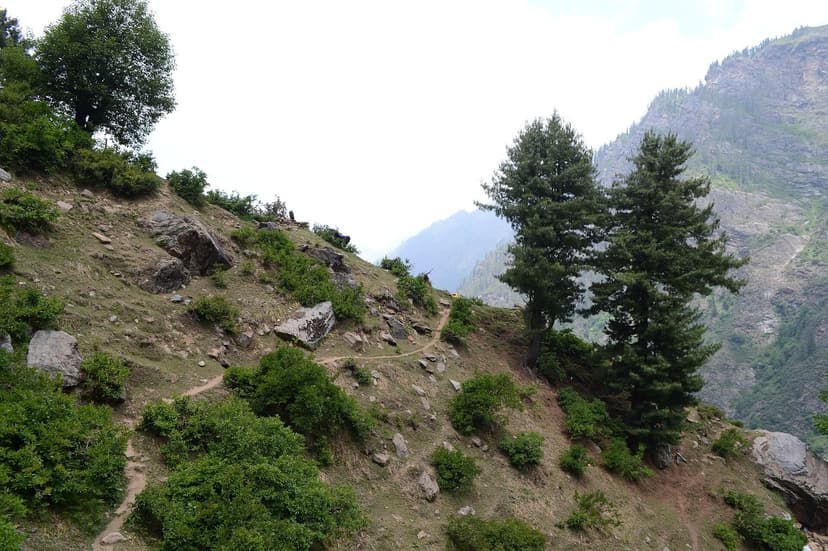
So the tents moved. They went higher and off to the side, onto the thaches above Pulga and Kalga, places like Bun Buni and Bhandak, where there were never permanent camps in the first place. That is where this piece goes. If you want the village comforts of a bed and a cafe instead, that is a different night, and our Pulga base guide is the one for that.
Bun Buni and Bhandak, and the night
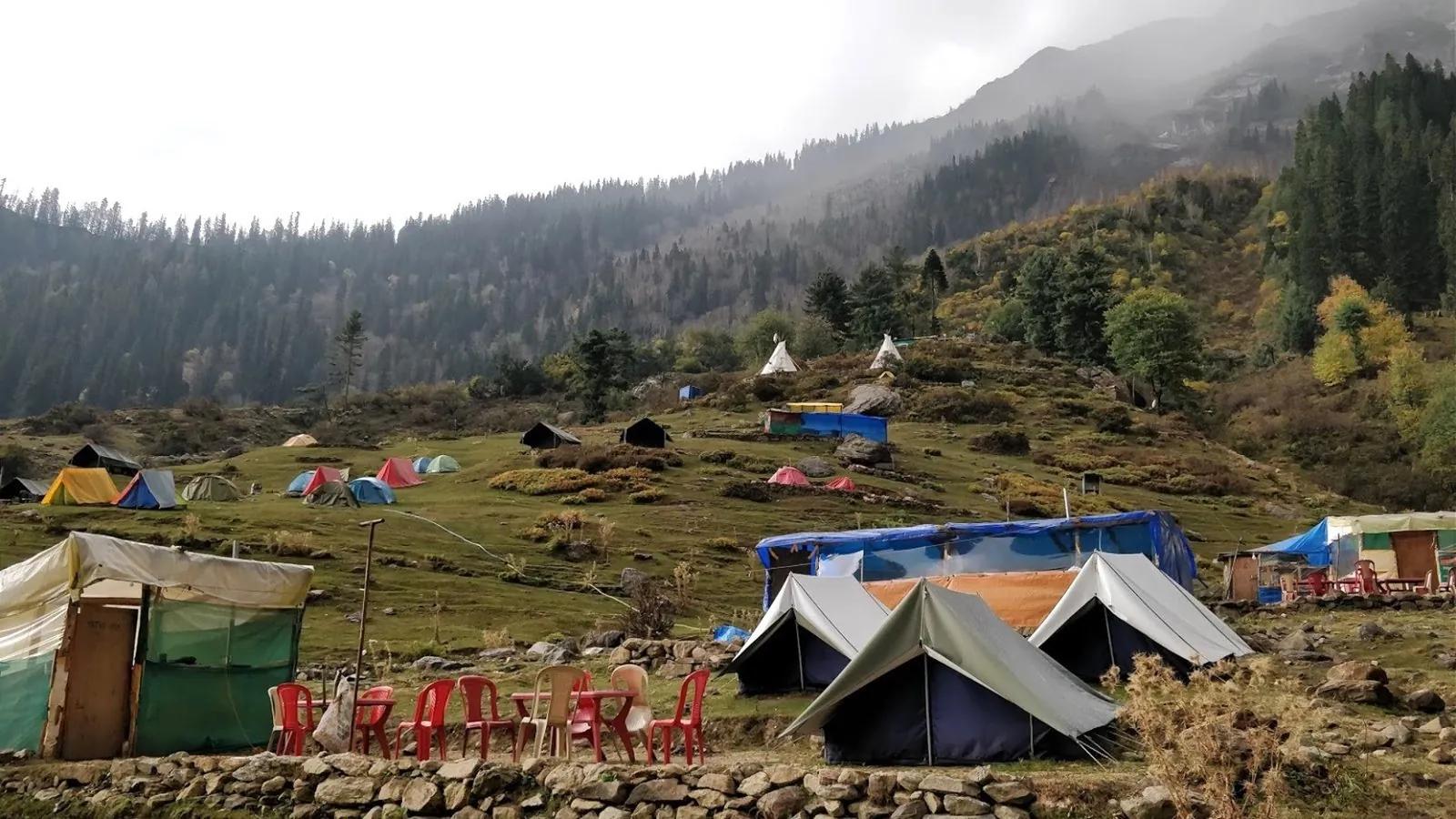
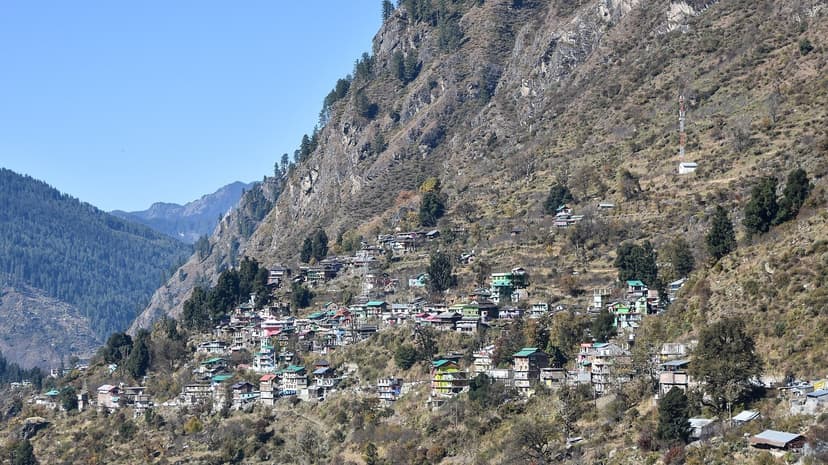
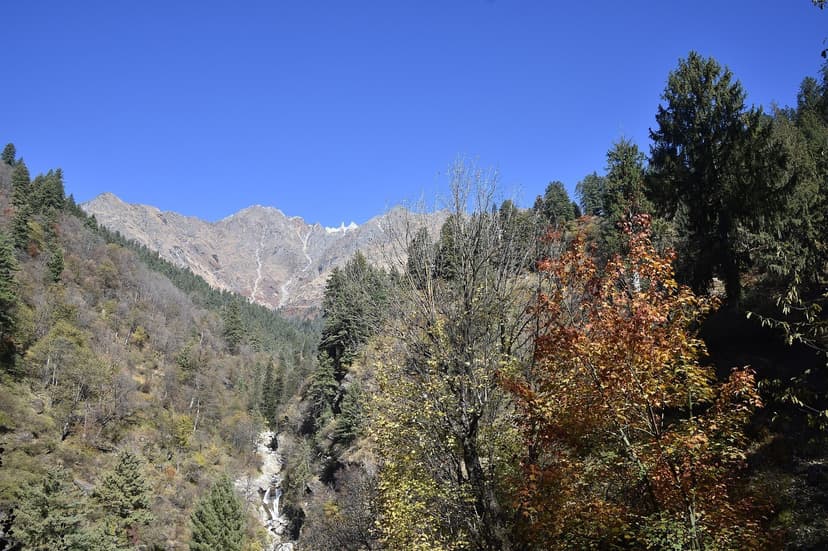
Both are high meadows above the Pulga and Kalga shelf. You stage in the village, walk up through deodar, come out of the treeline onto open grass, and camp. No road, no shop, no permanent setup. A trekker on r/HimachalPradesh laid out the reality plainly after doing Bun Buni: no permanent tent setups like kheerganga are allowed on Bunbuni, you will have to carry your own tents, there are some permanent huts of shepherds but no washrooms (r/HimachalPradesh).
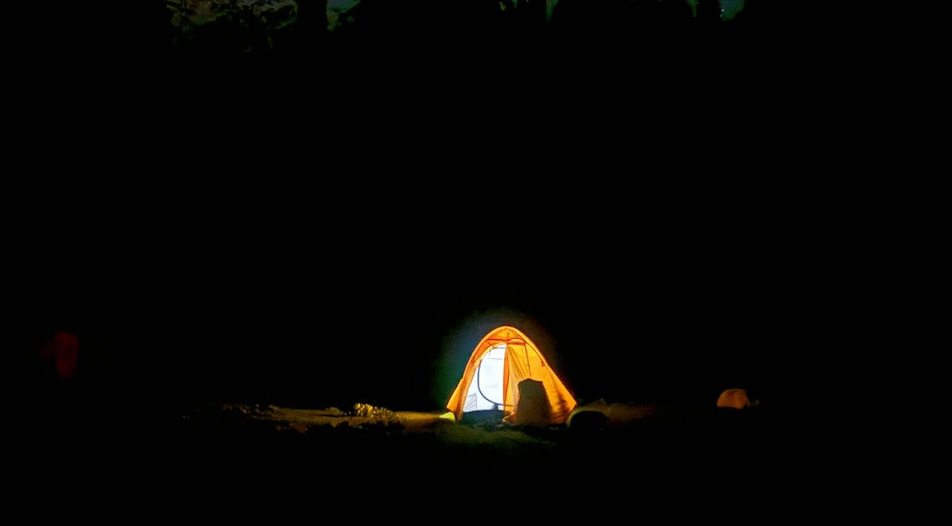
The payoff is the night, and the same trekker described it better than I could from a desk in Kullu: I cant tell enough about the night. It was a full moon and the rays of moon were getting reflected by the snow capped mountains. We were just chilling around the fire pit and the moon literally popped up behind the mountain (r/HimachalPradesh). That is the thing people walk up for. It is not the view from the meadow in daylight. It is the dark.
I cant tell enough about the night. It was a full moon, the rays reflecting off the snow, and we were just chilling around the fire pit when the moon popped up behind the mountain.
The honest bit the reels skip
Three things, because the difference between a great night and a miserable one up here is preparation.
First, there are no washrooms. None. It is the question every first-timer asks, like the one who replied to that Bun Buni post, was the washroom situation alright for you, thats what makes me nervous (r/HimachalPradesh). The answer is a stream nearby, you go in the open well away from the water, and you carry out anything that does not biodegrade.
Second, there are bears in these forests. The same thread, first reply: I also did this. And it was tough. Also there are bears in the jungle. Dont go alone (r/HimachalPradesh). Not a reason to stay home, a reason to be in a group and to store food properly.
Third, the trail is not always obvious, and water is not where you guess it is. A trekker of fifteen years on the sub put the case for a guide simply: for longer treks I prefer a guide, as trails are often not well marked and guides know the sources of water nearby camps (r/HimachalPradesh).
That is the honest case for going guided, and it is how we run Bun Buni and Bhandak: as carry-in camps. We carry the tents, the sleeping bags, three meals and a trekking pole up; you carry yourself. Have a look at the Bun Buni camp and the Bhandak Thach camp; both run about ₹3,600 a head as of 2026.
Guided, or do it yourself
You can absolutely do these thaches on your own if you are experienced, have your own gear, and know how to read a faint trail. Most people are better off guided, for the reasons above. Here is the honest trade.
| Guided camp | On your own | |
|---|---|---|
| Tent and gear | Carried up and pitched for you | You carry and pitch everything |
| The trail | Someone who knows it and the water | Faint in places, easy to lose |
| Bears and safety | A group, food stored right | Do not do it solo |
| Food | Three meals carried and cooked | Carry and cook your own |
| Best for | First overnight, or a no-logistics night | Experienced campers with kit |
How hard it is, and what to carry
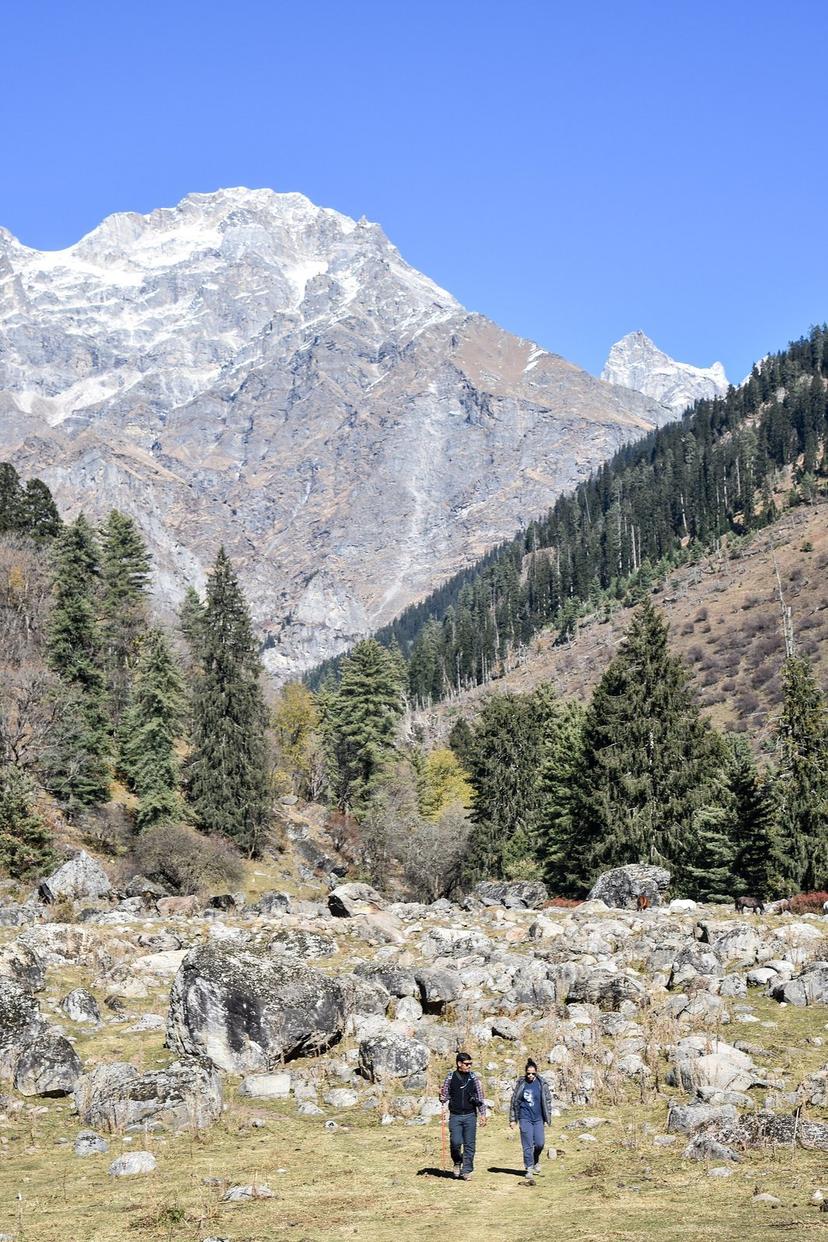
This is a beginner-friendly overnight if you are reasonably fit, but it is still a Himalayan camp at altitude, so do not treat it like a picnic. Sleep a night in Pulga first to let your body adjust to the height before you go higher; the Pulga base guide covers that.
Carry layers, because the warmth goes off the meadow the second the sun does. A headlamp. Water you have purified or boiled, not straight from the stream. Sun cover for the walk up. And a bag for your own rubbish, out. One more practical note from the trail: dry beats wet by a mile. As a trekker just back from the upper valley said, trails relatively easier when dry (r/HimachalPradesh), which is half the reason the season matters so much.
Three hard rules for a thach camp: there are no toilets, so carry out everything and keep waste far from streams; there are bears, so camp in a group and store food sealed; and the monsoon is dangerous here, with 2025 bringing cloudbursts across the Kullu region. If it has been raining, do not go up.
When to go, and leaving it as you found it
Come in the dry stretches: late spring into early summer, roughly May and June, and again September into October when the post-monsoon air is at its clearest. Avoid July and August. The rain closes the trail and the rivers turn mean.
And the rule that matters most on a meadow with no bin and no caretaker: leave no trace. Everything you carry up, you carry down. The reason the thaches are still worth the climb is precisely that they have not yet become what the crowded spots below did; a Tosh regular on the sub mourned exactly that, that the place was peaceful ten or fifteen years ago and is now crowded to the tip. Our field guide to travelling Himachal without wrecking it is the long version, and a high camp is exactly the kind of low-impact trip it argues for. If you would rather chase quiet villages than camp, the quiet villages above Kasol piece pairs with this one, and the winter version of sleeping out, in a heated dome on the Manali side, is our Sethan igloo guide.
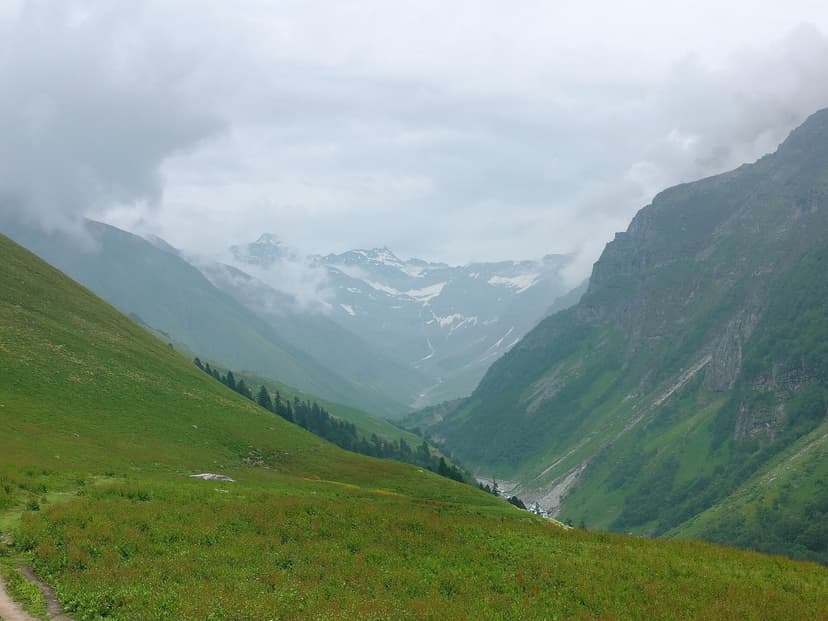
Then there is the sky, which is half the point of sleeping out at all. With no village lights anywhere near, the thaches are some of the easiest dark skies to reach in Parvati. The full moon gets the photos, but a new-moon night up here is the real show; our stargazing guide has the where and when.
A two-day camp, and what it costs
The whole thing fits a weekend if you start early. The shape of it:
- Day 1 morning: reach the roadhead
Kasol to Barshaini by bus or shared taxi, about an hour; buses run often in the afternoon. Walk up to Pulga or Kalga - Day 1 afternoon: up to the thach
Climb through the deodar onto the meadow, pitch camp, get the fire going as the cold comes in - Day 1 night: the reason you came
Dinner, the fire, and the sky; on a clear night this is the whole trip in one sitting - Day 2: down, or on
Sunrise on the meadow, breakfast, and walk back to Barshaini, or carry on to the Kheerganga day trek before heading down
| Item | Cost (INR) | Notes |
|---|---|---|
| Guided thach camp (Bun Buni or Bhandak) | 3,600 | Refuje, per person, carry-in: tent, sleeping bag, 3 meals, pole, bonfire |
| Shared taxi or bus, Kasol to Barshaini | 150 to 400 | per person, bus is cheapest |
| Night in Pulga to acclimatise (optional) | 500 to 900 | village homestay, recommended before going high |
Per person, rough 2026 figures. The guided camp price covers the gear and meals carried up; confirm on the day.
Not sure if you are ready for a thach night, or which camp suits you? Tell us your fitness and dates and we will tell you whether to do Bun Buni or Bhandak, and whether to add an acclimatising night in Pulga first.
That is the off-grid version of Parvati. Not the cafe strip, not the day-trek crowd at the springs, just a meadow, a tent, and a night you will keep describing to people the way that Reddit trekker did, badly and at length, because there is no good way to say it.
Want the night handled end to end? Email us your dates and we will carry the camp up and leave you with nothing to do but watch the sky.
FAQ
Is camping allowed in the Parvati Valley now?
Not at Kheerganga, where overnight camping was banned in 2024 and it is a day trek only. Overnight camping still happens on the high thaches above Pulga and Kalga, like Bun Buni and Bhandak, which never had permanent camps. Those are carry-in, leave-no-trace nights.
Where exactly are Bun Buni and Bhandak?
They are high summer meadows above the Pulga and Kalga shelf, reached on foot from the villages above the Barshaini roadhead. There is no road and no fixed coordinate for the camp spots; your guide knows the ground.
Do I have to carry my own tent?
If you go independently, yes, there are no permanent setups. On a guided camp the tent, sleeping bags, meals and a trekking pole are carried up and pitched for you, which is why most people go guided.
Are there washrooms at the camp?
No. There are no toilets on the thaches. You use the open ground well away from any stream and carry out anything that does not biodegrade.
Is it safe? What about bears?
There are bears in these forests, so do not camp solo, keep to a group, and store food sealed. The bigger risks are weather and altitude: skip the monsoon, and sleep a night lower in Pulga first.
How hard is it, and is it good for first-timers?
It is a beginner-friendly overnight if you are reasonably fit, since it is one night and the gear is carried for you on a guided trip. It is still an altitude camp, so acclimatise and carry warm layers.
When is the best time to camp up there?
The dry stretches: roughly May to June and September to October. Avoid July and August, when the monsoon makes the trail dangerous and brings cloudburst risk.
Bun Buni or Bhandak, which one?
Both are high-meadow carry-in camps at a similar price; the right one depends on your fitness and the conditions on the day. Tell us and we will point you to the better fit.
Written from Kullu. I know the Parvati spur as a regular up the valley, not as someone who has camped the Bun Buni thach himself; the camp-night descriptions above are trekkers on r/HimachalPradesh, linked at each mention, not my own. The Kheerganga rules, the season and the camp prices were checked in June 2026, but they move, so reconfirm before you book.
You Might Also Like
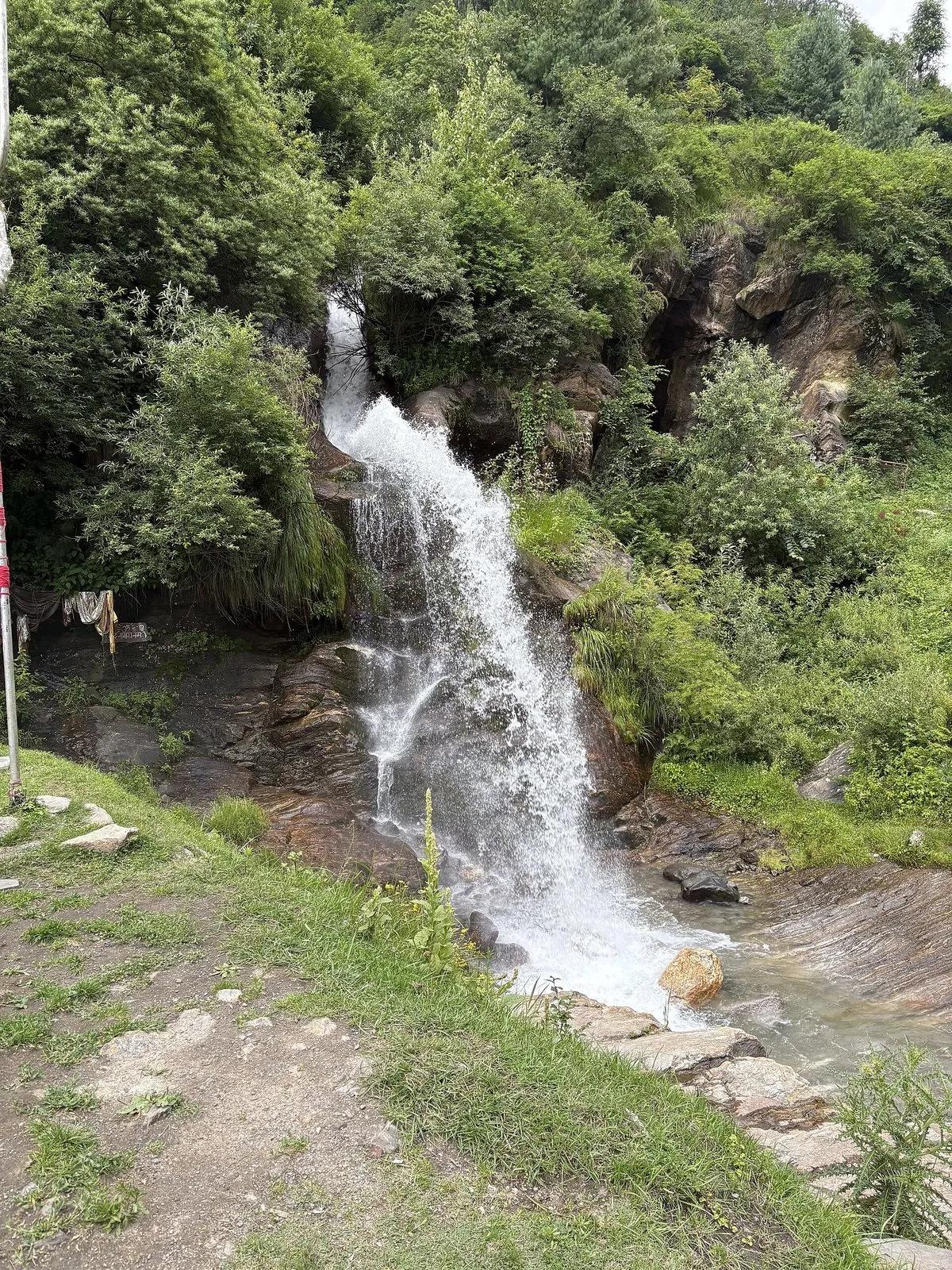
Kheerganga in 2026: The Hot Spring Is Closed. Is the Trek Still Worth It?
The famous hot-spring bath is closed and overnight camping is banned since 2024. An honest 2026 take: Kheerganga is a day trek now, the soak is gone, but the deodar walk, the Rudra Nag waterfall and the meadow are still worth your legs. How to do it now.
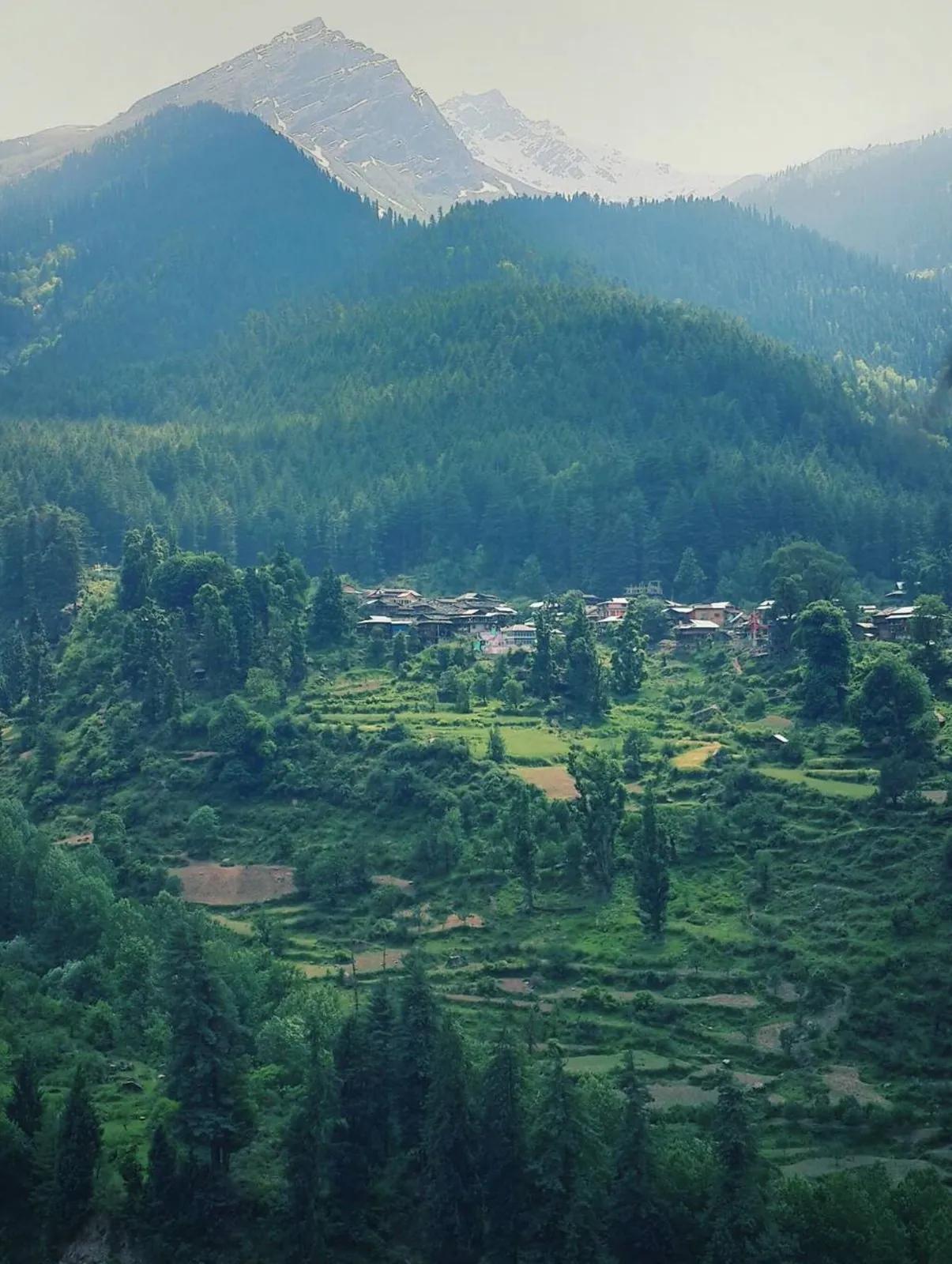
Pulga: The Quiet Base for Parvati Valley (2026 Guide)
Stay in Pulga and day-trip the rest. How to reach the upper Parvati Valley's quietest base past the roadhead at Barshaini, where to sleep in the orchards, and what to walk to from there.
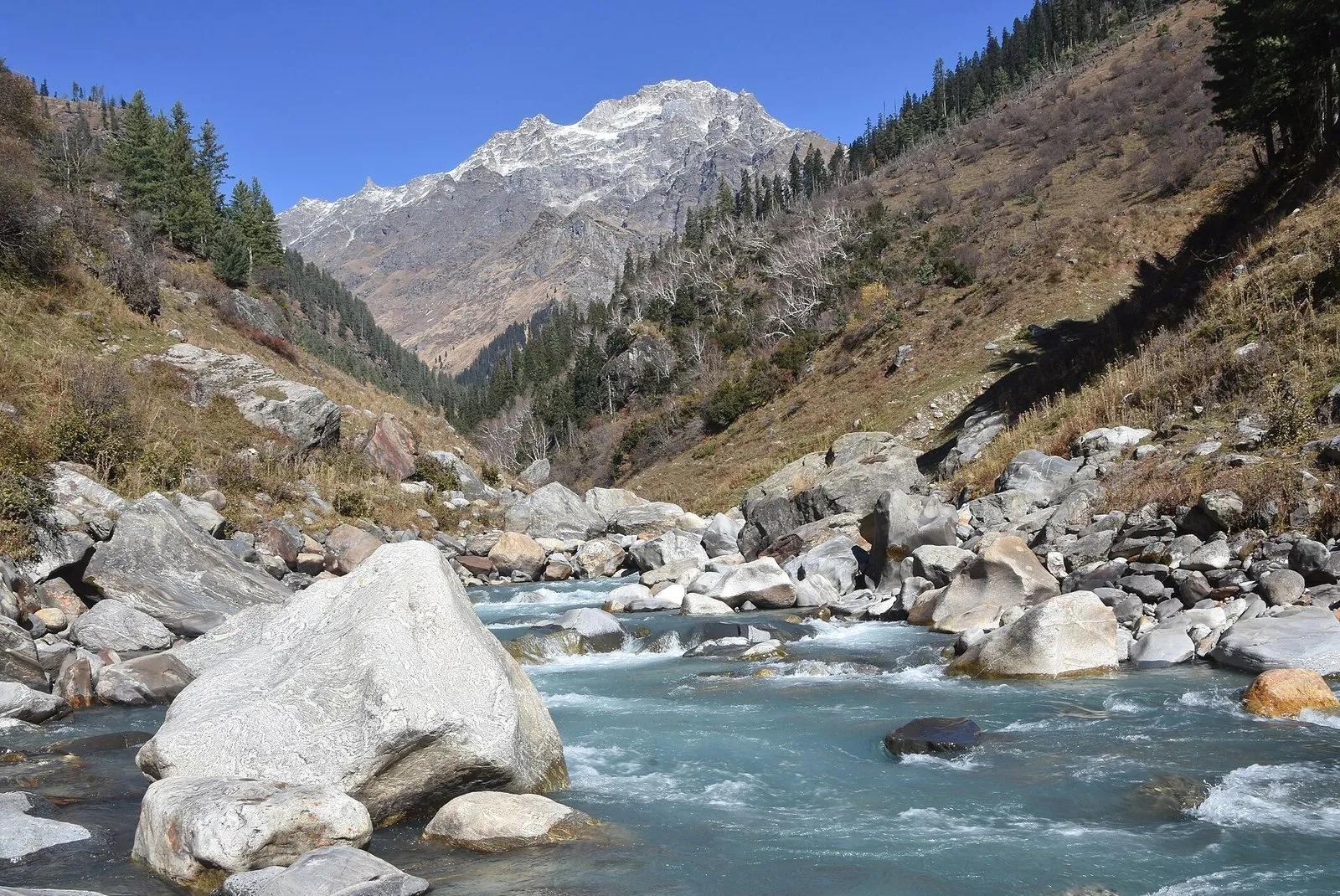
Quiet Villages Above Kasol: Grahan, Kalga, Tosh and Kutla (2026)
Skip the Kasol party. Walk the slow Parvati circuit, Chalal to Grahan, Kalga, Tosh and quiet Kutla: trails, homestays, costs and how to visit responsibly.