
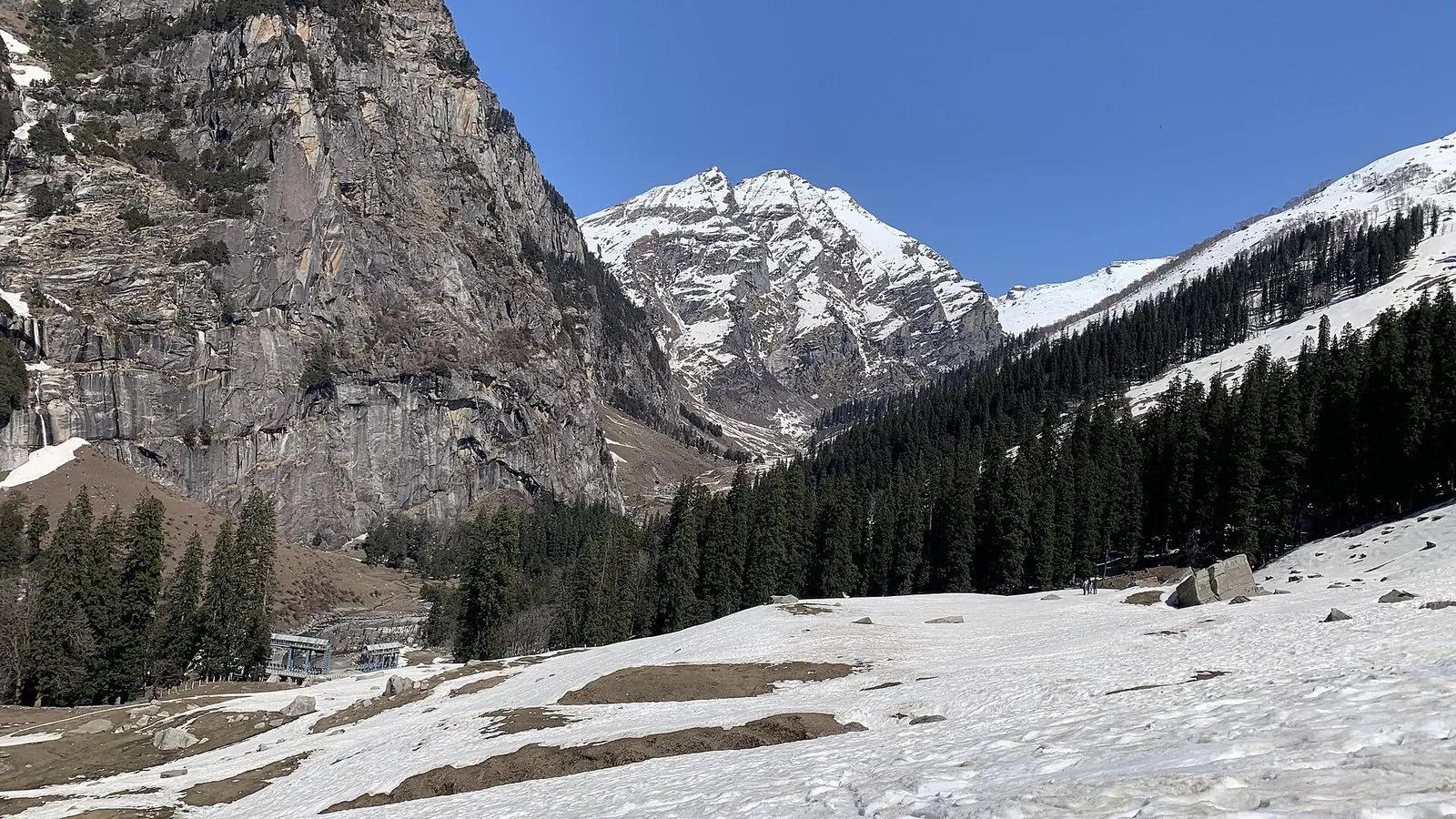
Sethan: Igloo Stays and the Quiet Buddhist Village Above Manali
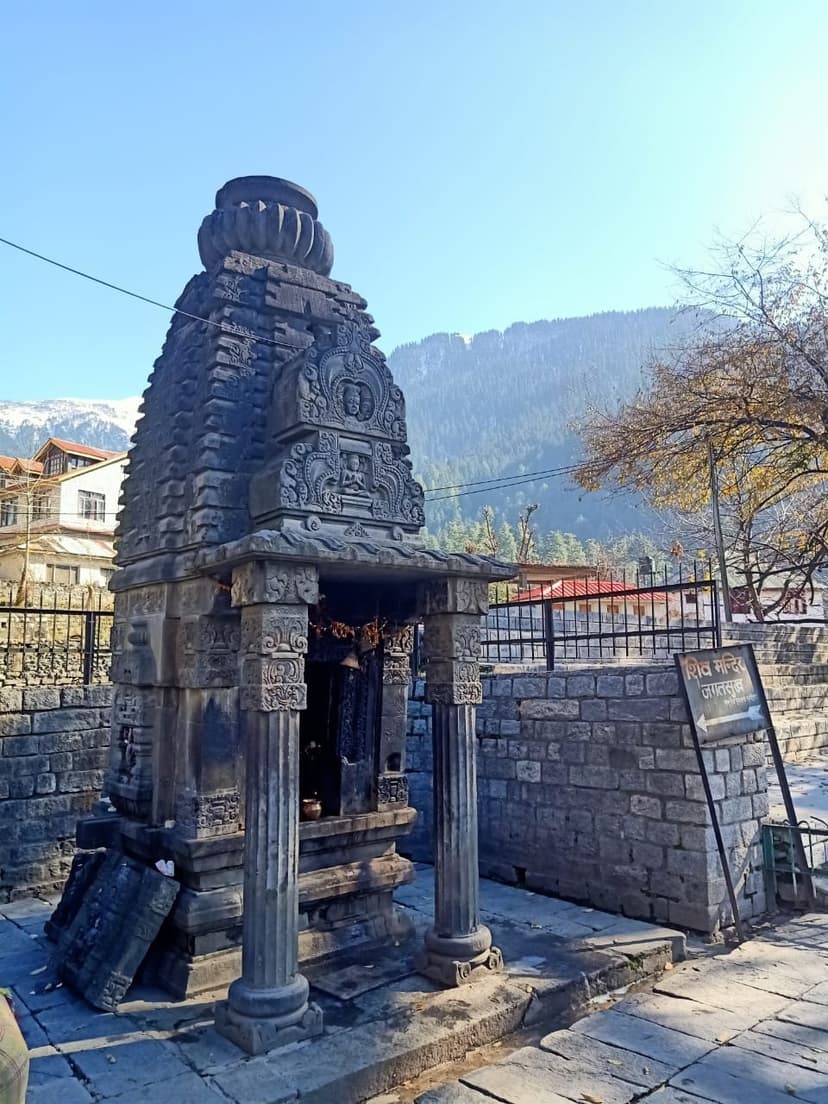
There is a village above the village. Drive up out of Manali, past the apple road through Prini and the old stone temples of Jagatsukh, climb the switchbacks for forty minutes, and the noise of the Mall Road drops away completely. Sethan sits at the top of that climb, a tiny Buddhist hamlet at around 2,700 metres that most people only hear about because of what gets built here in winter: igloos. One traveller who spent a day here summed up the pull of the place in a single line, that Sethan will always be in their heart. Another took the day ride up just to get away from the hustle of Manali, and that is really the whole proposition.
I am from Kullu, the valley this road belongs to, and Sethan is one of those places that has quietly become two different trips in one. In winter it is India first igloo village and a snow-sports base. In summer it is a green meadow and the start of the Hampta Pass. This guide covers both, with an honest read on the one thing nobody booking an igloo wants to hear: the igloos only exist when the snow does.
- Altitude
- About 2,700 m (8,858 ft)
- From Manali
- Roughly 12 km via Prini and Jagatsukh
- Igloo season
- Mid-January to mid-March, snow-dependent
- Igloo stay
- Around 5,000 to 7,000 per person, as of 2026
- Getting there
- Private taxi only, 4x4 when it snows
- Also known for
- The Hampta Pass trailhead and summer meadows
The village itself, and the people who built the igloos
Sethan is small, somewhere around ten to fifteen families, on land that was allotted to a Buddhist community back in 1951, when Kullu was still part of Punjab. Sources differ on the exact lineage, some describe the families as Khampa Buddhists, others as descended from Gaddi shepherds, and it is fair to say both threads run through the place. What matters for a visitor is this: through the deep winter, many of the families move down to the warmer Kullu valley, and the village runs on its snow enterprise. The igloos are not an outside resort dropped onto the mountain. They are built by local young men, the original builders named in the Hindi press as Vikas and Tashi, and run season to season by villagers like Pawan Negi.
That community texture is the thing the listicles skip. A traveller who went up recently rated it highly, and remembered visiting an old grandmother house near the top of the village for a plate of rajma chawal and siddu. Come in summer and the meadow is grazing land again; come in winter and the same ground is a dome camp. Same village, opposite trips.
Sethan will always be in my heart no matter where I go.
A traveller on r/HimachalPradesh, after a day in the village
The igloo and dome stays, and how they actually work
Two kinds of structure go up here. The headline act is the igloo, hand-built from blocks of compacted snow, each one taking a couple of days to raise and needing a hard freeze of around minus fifteen to hold its shape. The quieter workhorse is the geodesic dome, the canvas-and-frame glamping tent that does not depend on a fresh dump of snow and so stretches the season at both ends. A traveller who stayed in the domes at one of the Hamta retreats called it an absolute treat.
A night inside an igloo is colder than people expect and warmer than they fear: roughly zero to minus ten inside while it is minus twenty out, because packed snow insulates. A typical overnight package bundles the bed, meals, winter gear and the snow activities into one price. Here is the rough money, as of early 2026 and entirely snow-dependent, so treat every figure as a starting point and confirm with the operator before you book.
| Item | Cost | Note |
|---|---|---|
| Igloo or dome, per person | 5,000 to 7,000 / night | Usually includes meals, gear and activities |
| Igloo or dome, per couple | 10,000 to 13,500 / night | Hindi press quotes a start around 5,500 with dinner and breakfast |
| Day visit | 1,500 to 3,000 | Snow play and a meal, no overnight |
| Snowboard or ski session | around 2,000 pp | Often includes a Gypsy up to the snow point |
| Taxi from Manali | 1,500 Alto to 3,000 Gypsy | One way, 4x4 needed when snowing |
The season is snow, not a calendar
This is the part to get right before you pay a deposit. Sethan igloo season is, on paper, mid-January to mid-March. In practice it now opens late and runs short, because the snow keeps arriving later. The honest framing from people who go is exactly that: as one traveller put it, by a given date it would have snowed out, so call any stay in Sethan and ask the status before you hit the road.
The 2025-26 winter made the point. Himachal ran a severe snow deficit, and yet Sethan completed what the local press called its tenth igloo season. It just opened around mid-January rather than December, put up fewer igloos than a normal year, and the operators deliberately picked a colder, higher patch of ground to stretch the season into the third week of March. The igloos ran. They ran late. If you want to understand why even a high village like Sethan can no longer promise snow on a calendar, our piece on the Himachal snow drought lays out the climate story behind it.
Confirm the igloos are actually up before you book. In warm-winter years the season opens weeks late and a few operators sell a snow experience that has not arrived yet. Phone the stay, ask whether the igloos are built and the snow point is working this week, and keep your dates flexible. The domes run more reliably than the igloos when snow is thin.
Snow on your terms, not Solang on a Sunday
The activity menu is the usual winter set, skiing, snowboarding and snow tubing, plus bonfires and the obligatory snowman. A beginner snowboarding session runs around two thousand rupees and usually includes the 4x4 ride up to the snow point above the village. None of it is Gulmarg-grade terrain. The reason to do it here rather than down at Solang is the crowd, or the lack of one. Travellers who have had enough of the Solang tout circus name Sethan as the alternative: one detailed Manali recommendation thread sends people to Sethan for a short trek to Chika and a stay at a glamp, with the blunt aside that there was no snow left at Solang or Sissu anyway.
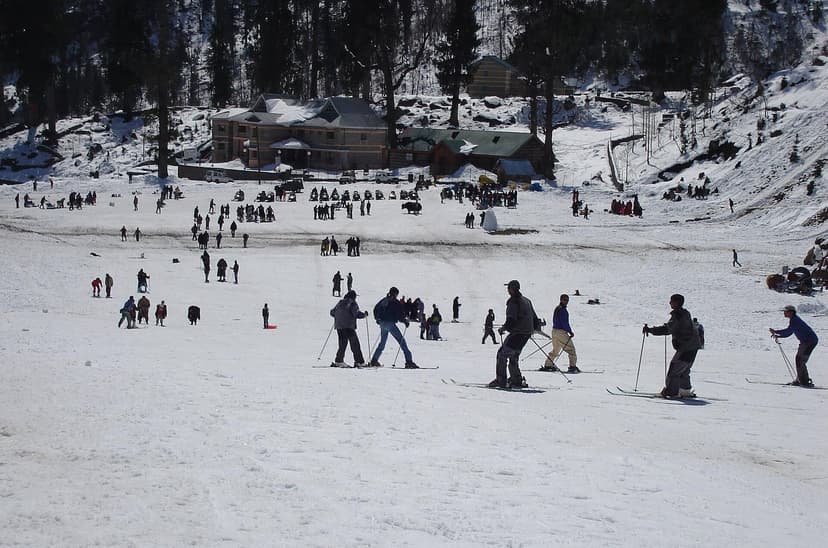
The trade is simple and worth stating plainly.
| Sethan | Solang Valley | |
|---|---|---|
| Crowds | Quiet, small operators | Busy, touts and queues |
| Altitude and snow | Higher, snow holds later | Lower, snow goes early |
| Getting there | Private taxi, 4x4 when snowing | Easy road, paragliding circus |
| The feel | Slow, a village you stay in | A day-trip snow fairground |
| Catch | Snow arrives late, book ahead | Crowded, and often no snow left |
Pick a reviewed operator, not the cheapest banner. Snow tourism here has had its share of disputes, and on the nearby Hampta trail travellers regularly warn about cut-rate companies that oversell and underdeliver. Read recent reviews, confirm exactly what the package includes, and avoid anyone who cannot tell you whether the igloos are currently standing.
Getting there and the practical stuff
There is no reliable public transport to Sethan. You go by private taxi from Manali, roughly twelve kilometres and thirty-five to forty-five minutes in summer, an hour or two in winter, and when it is actively snowing you want a 4x4 or a Gypsy rather than a hatchback. Expect somewhere between 1,200 and 3,000 rupees one way depending on the vehicle and the snow. There is no mobile network, ATM or fuel pump in the village, so draw cash and fuel up in Manali; a small dhaba handles Maggi and coffee.
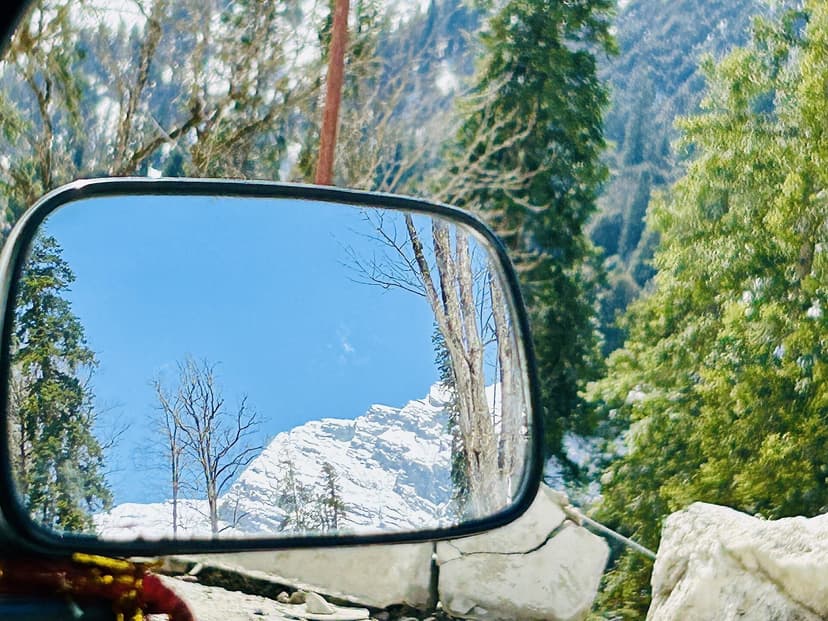
On the permit: a check post on the way up, on the Prini side, collects a permit or congestion charge for the Hamta area, and the amount travellers report varies, somewhere in the region of one to two hundred rupees, with vehicles allowed up only in daylight hours. Reports genuinely conflict on the exact figure, so carry your Aadhaar and vehicle papers, budget for a small per-vehicle or per-day charge, and confirm the current rule at the post. Our Himachal permits guide tracks the wider picture across the state.
Sethan in summer, and the Hampta Pass at its doorstep
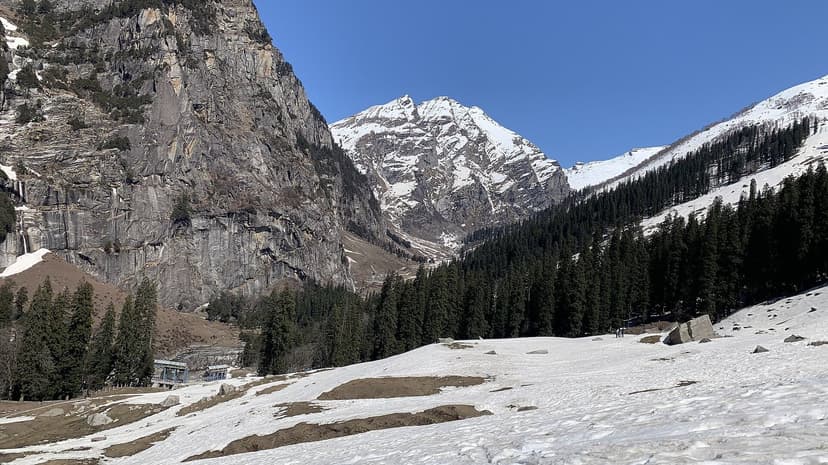
Strip away the snow and Sethan is a green shelf of meadow with granite boulders scattered through it, a quiet place to walk, stargaze and do nothing much. It is also the relaxed front door to the Hampta Pass, the 4,270-metre crossing between the green Kullu side and the barren Lahaul side that is one of the most loved treks in Himachal. You do not start walking from the village itself: a rough road runs on to the Jobri roadhead just beyond, and you can go up to Jobri by car, after which the trail proper begins. From there it is jungle and open meadow to the first campsite at Chika, as one trekker described the Jobri to Chika stretch, before the serious climbing starts higher up.
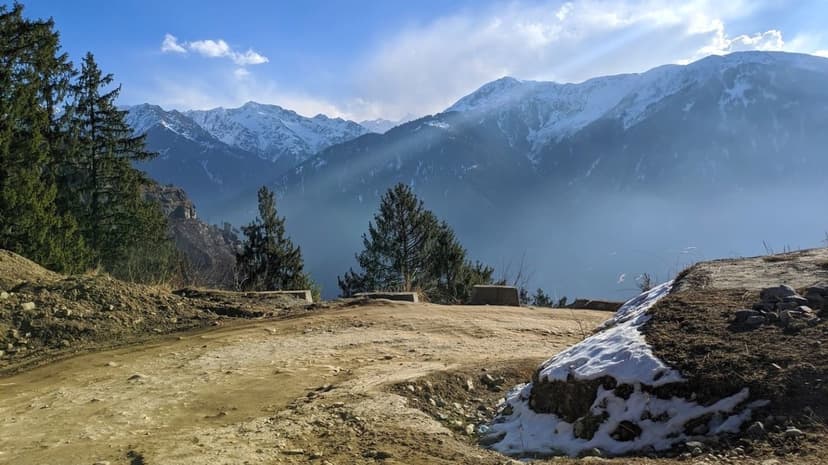
A light way to taste it without committing to the full crossing:
- Drive up from Manali
Taxi through Prini and Jagatsukh to Sethan, settle into a dome or homestay, walk the meadow. - Sethan to Jobri and Chika
Drive or walk to the Jobri roadhead, then an easy out-and-back toward the Chika meadow for the views. - Boulders and back
A morning among the granite boulders or a short walk toward Pandu Ropa, then back down to Manali by afternoon.
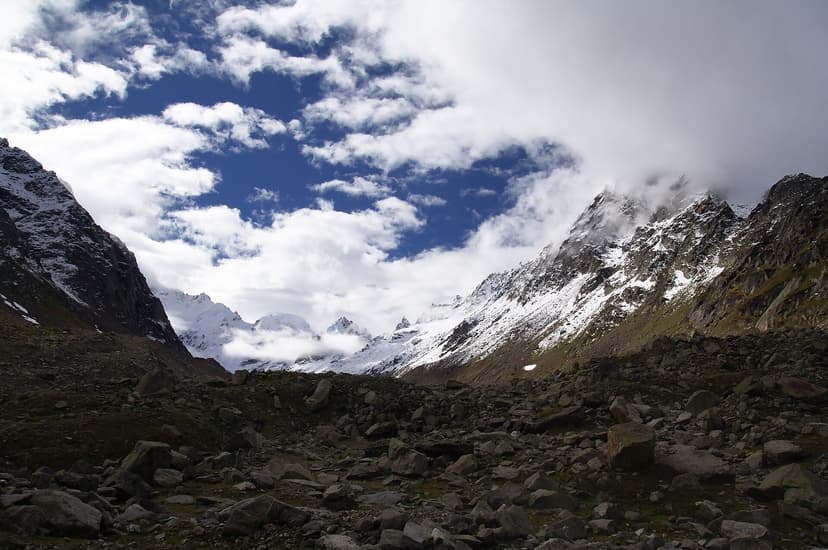
The full Hampta Pass crossing to Chandratal is its own multi-day trek with its own logistics, and it deserves its own guide rather than a paragraph here. Treat Sethan as the calm base you sleep at before and after, not the trek itself. And whichever season you come, the same overtourism that trekkers complain is wearing down the Hampta trail applies to the meadow at Sethan too: carry your trash out.
Who it is for, honestly
Sethan suits the traveller who wants snow or a mountain meadow without the fairground, who does not mind arranging their own transport, and who can keep their dates loose enough to chase the snow. It does not suit anyone after nightlife, guaranteed conditions on fixed dates, or a budget weekend, the igloo night is a treat, not a cheap one. Come for the quiet, book a reviewed stay, call ahead to check the snow, and it delivers. Here is where it all sits on the map.
Common questions
Where is Sethan and how far is it from Manali?
Sethan is a small Buddhist hamlet at about 2,700 m, roughly 12 km above Manali via Prini and Jagatsukh. It is 35 to 45 minutes by taxi in summer and one to two hours in winter, when you want a 4x4.
What is the igloo stay season in Sethan?
Typically mid-January to mid-March, but it is entirely snow-dependent. In warm-winter years the snow arrives late, so igloos open later and the season runs short. Always confirm with the operator before booking.
Did the igloos run during the recent snow-poor winter?
Yes. The 2025-26 season went ahead as the village tenth, but with delayed snowfall fewer igloos were built and operators chose a colder, higher site to extend the season into the third week of March.
How much does an igloo stay in Sethan cost?
Roughly 5,000 to 7,000 rupees per person, or 10,000 to 13,500 per couple, for an overnight including meals, winter gear and snow activities. Day visits run about 1,500 to 3,000. Prices vary by operator and year, so confirm when you book.
What snow activities can you do in Sethan?
Skiing, snowboarding and snow tubing, plus bonfire nights and snowman-making. A beginner snowboarding session runs around 2,000 rupees and usually includes a Gypsy ride up to the snow point. Most activities are bundled into the overnight package.
How do you reach Sethan?
By private taxi only, as there is no reliable public transport. Expect roughly 1,200 to 3,000 rupees one way from Manali, and a 4x4 or Gypsy when it is snowing.
Is Sethan the Hampta Pass trailhead?
Sethan sits at the start of the Hampta Pass route. The trek roadhead is just beyond at Jobri, reachable by car, with Chika as the first campsite. The full Hampta trek is a separate multi-day route with its own guide.
What is there to do in Sethan in summer?
Green meadows, granite bouldering, stargazing, easy walks, and using the village as a calm base for the Hampta Pass. It is a quiet do-nothing escape rather than a sightseeing checklist.
Is Sethan a good alternative to Solang Valley?
Yes, if you want snow without Solang crowds and touts. Sethan is higher and quieter and the snow holds later, but it arrives late in warm winters and you need your own transport to get up.
Do you need a permit for Sethan?
Travellers report a check-post permit or charge on the Prini side for the Hamta area, with amounts that vary, around one to two hundred rupees. Carry your Aadhaar and vehicle papers and confirm the current rule at the post.
Read next
- The Himachal snow drought, for why high villages like Sethan can no longer promise snow on a calendar.
- Is Manali overrated, if the town itself feels too crowded and you want the quiet edges.
- A 3-day Manali plan, to build Sethan into a wider trip.
- Himachal permits in 2026, for the check posts and charges across the state.
Planning a Sethan trip and not sure whether the igloos will be up for your dates, or how to fold it into a Manali-and-Spiti loop? Write to us at hello@refuje.com with your dates and we will help you read the snow.
You Might Also Like
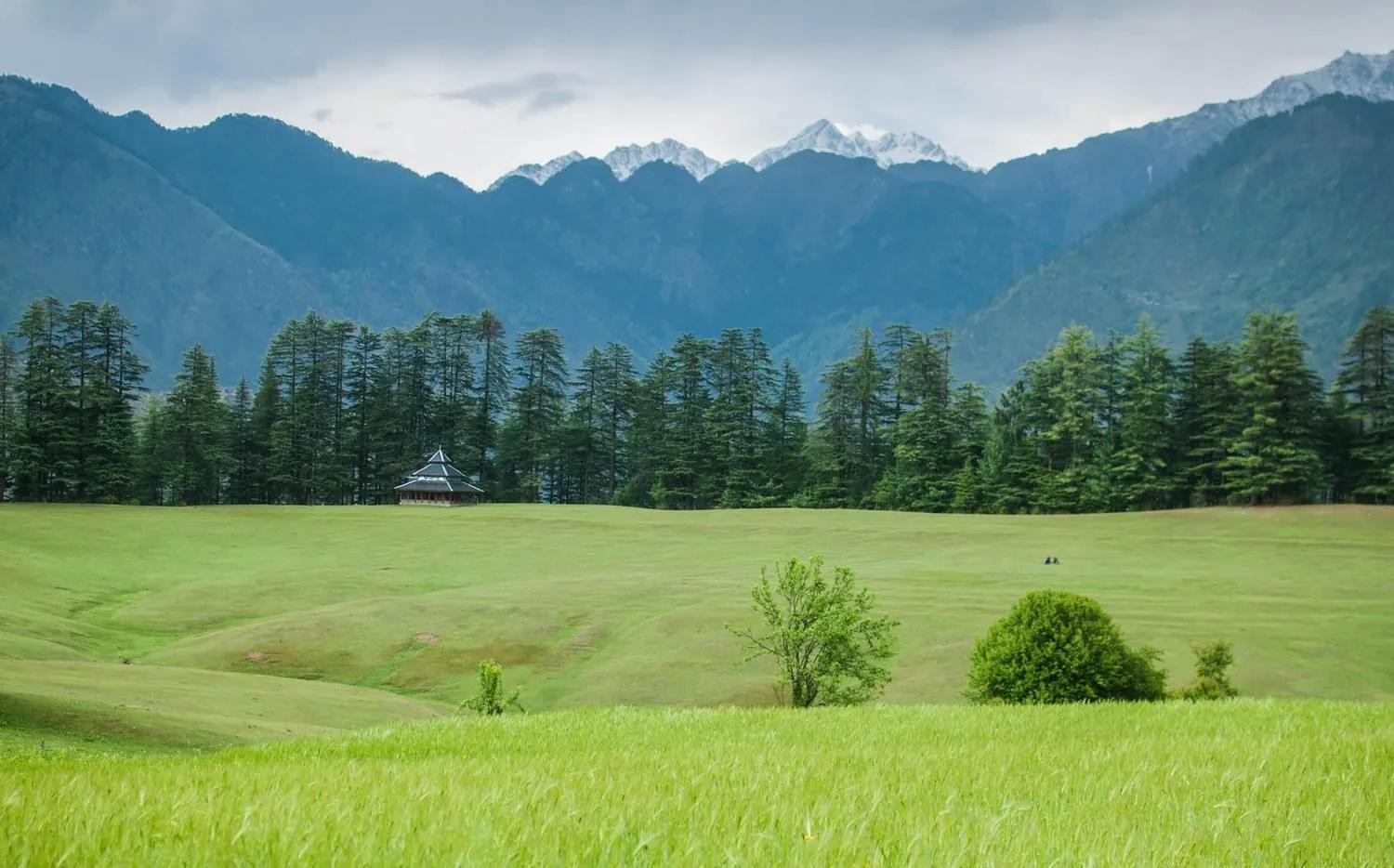
Shangarh & Sainj Valley: The Quiet Meadow Guide (2026)
Shangarh is Himachal's Pandava-blessed meadow inside the Great Himalayan National Park eco-zone. How to reach it from Aut, where to stay, the no-loud-music rule, and how to visit without wrecking the quiet.
Best Cafes in Every Himachal Pradesh Town: A Kullu Writer's Map (2026)
Eight HP towns, eight different cafe scenes, organised by destination. Shimla's heritage (Indian Coffee House since 1957), McLeod Ganj's books (Illiterati), Old Manali's rivers (Cafe 1986), Kasol's hummus (and the locals-ban controversy at Free Kasol Cafe), Bir's artisanal coffee, Jibhi-Shoja's emerging scene (Ailyak, Tenzin), and Spiti's altitude (Sol Cafe Kaza, world's highest at Komic). Written from Kullu with the Hindi-press and Reddit-deep-mine backbone English guides miss.
Is Manali Overrated? What 282 Redditors Actually Said (and Where to Go Instead)
We read every comment of the 282-comment r/india master thread, 349 comments total across eight subreddits, then bolted on May-2026 traffic and price data from Tribune India, ETV Bharat, Amar Ujala and the HP Tourism Department. The honest answer is: stay out of Mall Road, lean on the region around it. Written from Kullu, an hour south.