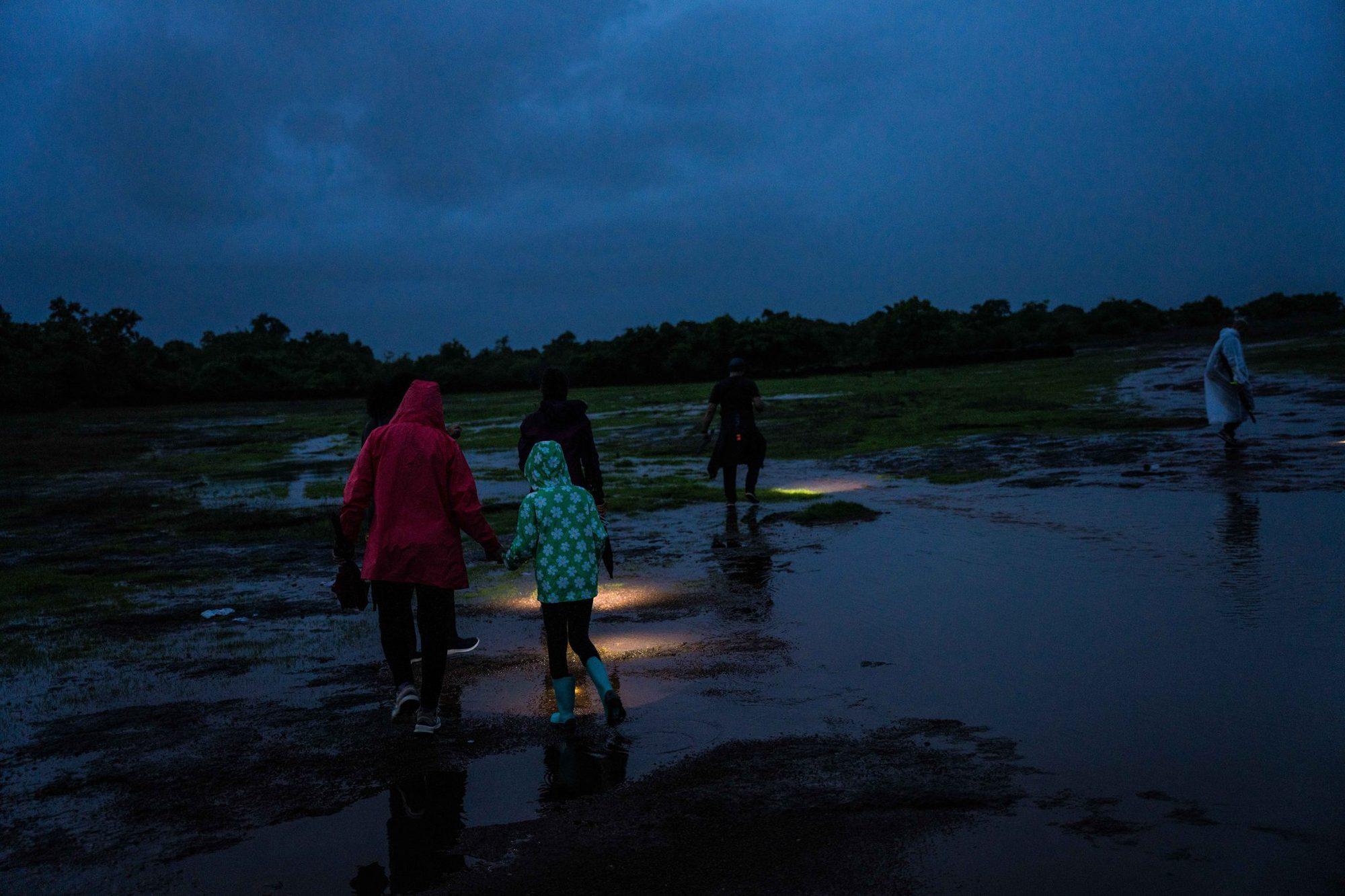
Fontainhas: A Slow Walk Through Panjim's Latin Quarter (and the Right Way to Do It)
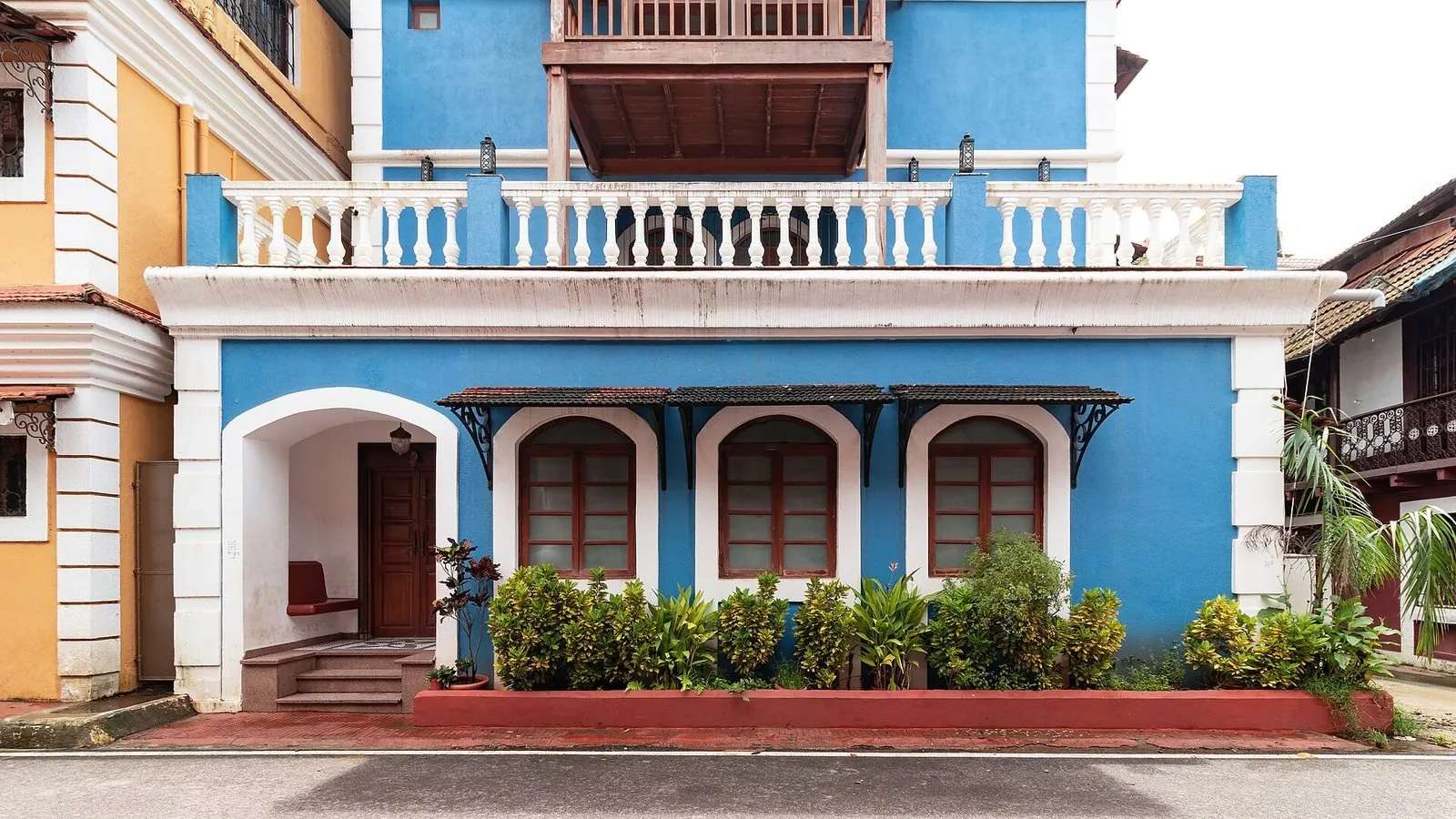
Picture a lane in Fontainhas at eleven in the morning. Ochre and blue houses, a hundred years old, lean over a street barely wide enough for a scooter. It is genuinely lovely, and it is also somebody's home: behind one of those beautiful shuttered windows, an elderly man is trying to take his afternoon nap, and there is a stranger in a nice outfit posing against his wall while a friend directs the shot. He is not the first today. That tension runs right through the prettiest neighbourhood in Goa, and getting it right is the whole art of visiting it.
I do not live in Goa, so this is drawn from Goans talking about their own capital online, not from my own street. But their message about Fontainhas is unusually pointed, and worth listening to before you go. This is the Goa that is not a beach at all, the old Latin Quarter of Panjim, and it is one of the loveliest walks in the state. It is also a lived-in residential neighbourhood that is quietly sick of being treated as a film set, which means the right way to see it is the slow, quiet, early way, and the wrong way has residents talking about silent zones and photography bans.
Panjim's Latin Quarter, and why it looks like Lisbon
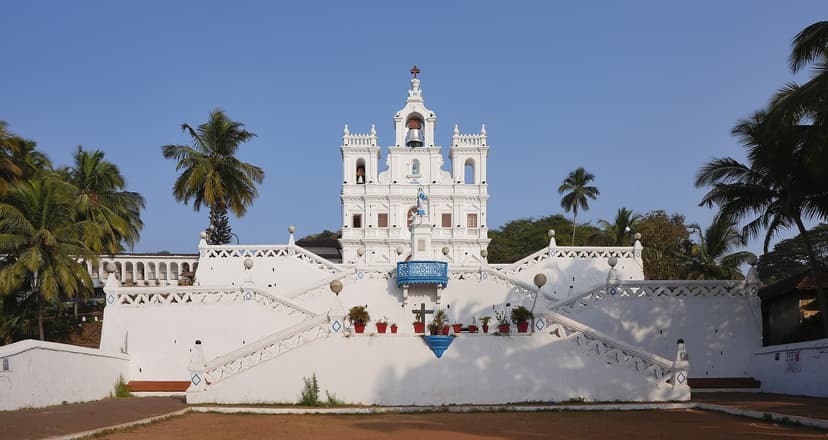
Panjim, the Goan capital on the Mandovi, was the seat of Portuguese India for centuries, and Fontainhas is the piece of it that still looks the part. Tucked below the white Church of Our Lady of the Immaculate Conception, on the eastern edge of the city, it is a warren of narrow lanes lined with nineteenth and early-twentieth-century Portuguese-era houses, painted the ochres, blues and greens that colonial rules once required to be refreshed every monsoon. There are wrought-iron balconies, oyster-shell windows, little chapels, and, next door, the older and rougher São Tomé quarter. It is small, and it is walkable, and it is nothing like the coast twenty minutes away.
It is also genuinely old and genuinely inhabited, and one thread on the neighbourhood turned up a detail that explains why it survives at all. A resident pointed out that these houses fall under old Portuguese-era communidade land rules rather than ordinary property law, which is part of why so many have been preserved rather than knocked down and rebuilt. Whatever the legal machinery, the effect on the ground is simple: you are walking through a working heritage neighbourhood, not a restored open-air museum with a ticket booth. Nobody is being paid to perform Old Goa for you here. People just live here.
- What it is
- Fontainhas, the old Latin Quarter of Panjim, plus the adjoining Sao Tome; Portuguese-era houses, chapels and narrow lanes on the east edge of the Goan capital.
- How to see it
- On foot and slowly. It is small and entirely walkable; the whole quarter is a gentle hour or two of wandering.
- When
- Early morning or the evening, for the light and the quiet, and to disturb residents least. Weekdays over weekends; avoid the middle of a busy day.
- The catch
- It is a lived-in residential neighbourhood, and residents are openly tired of being photographed. Walk quietly; do not treat homes as photo sets.
- Nearby
- The Immaculate Conception church, the Panjim riverside promenade, heritage cafes and small galleries; all a short walk away.
The honest part: this is somebody's home, not a set
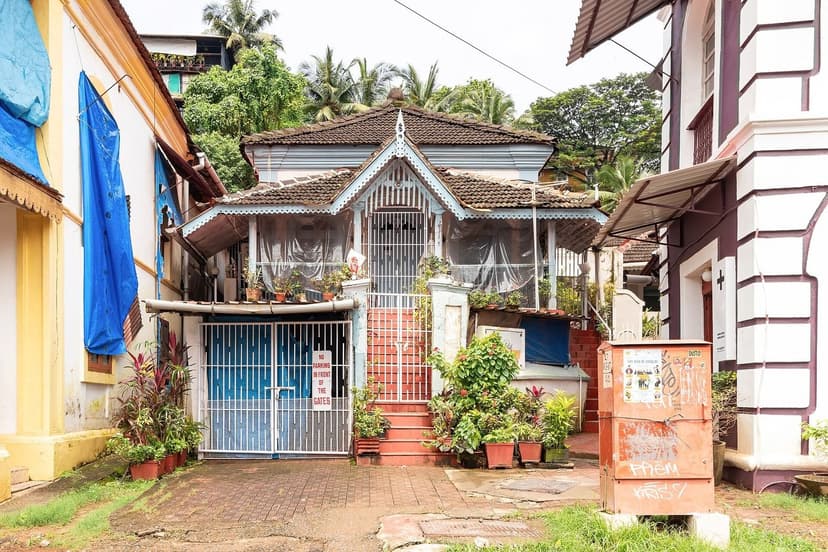
You cannot write honestly about Fontainhas now without the thing residents most want said, so here it is. The neighbourhood has an influencer problem, and the people who live there are done being polite about it. On a long thread about exactly this, the most-upvoted comment was not an argument but an image: a resident describing elderly people getting angry because random strangers show up right next to their windows while they are trying to nap, in houses their families have lived in for a hundred years. In most Goan villages, another added, people do not even close their front doors in the afternoon; the doors stay open as a welcome. That welcome is what the photo-shoots are quietly spending.
Imagine standing outside someone's house and causing a ruckus. These are native Goans, and this is what we are feeling.
It gets more concrete than noise. Residents on the same thread described pre-wedding shoots rolling in with lights, drones and smoke machines, moving people's pots and outdoor furniture around, and occasionally damaging old fittings, all for a photograph of a house that is not theirs. Some want the place declared a silent zone; others, wearily, just want people charged for the shoots the way the village of Parra ended up taxing photographers on its famous palm road. The details differ. The ask underneath is the same one you heard on every quiet-Goa street: come if you come gently, and remember whose wall you are leaning on.
Fontainhas is a residential neighbourhood, not an attraction. Do not photograph into windows, doorways or private courtyards; do not pose against or lean on people's homes; keep your voice down in the lanes; and absolutely no drones, lights, smoke machines or moving anyone's pots and furniture for a shot. If you want a picture, photograph the public street, briefly, and move on. The single rule that covers all of it: behave exactly as you would in a stranger's residential lane back home, because that is what this is.
How to walk it, and walk it kindly
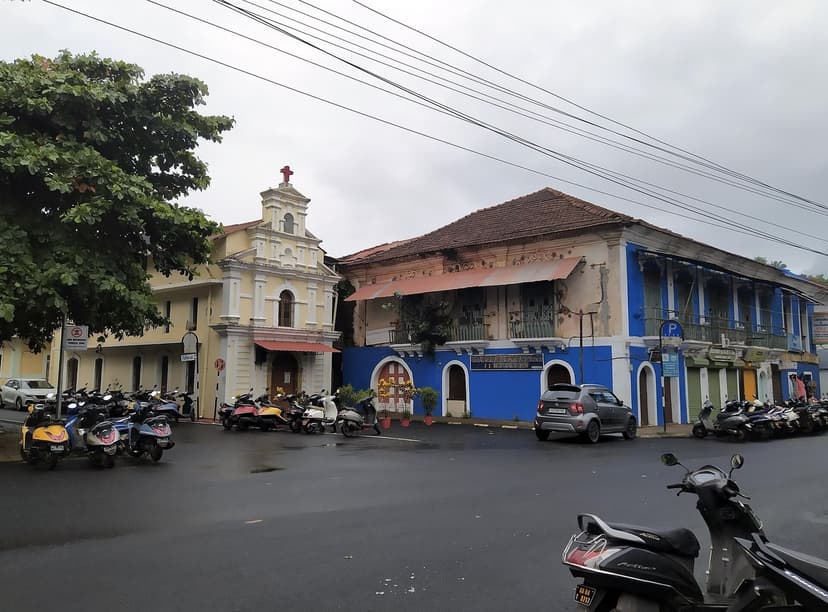
The good news is that the respectful way to see Fontainhas is also the best way. Go early, soon after dawn, or in the evening: the light is soft and low on the coloured walls, the lanes are cool and empty, and the residents are not being crowded on their own doorsteps. Weekdays beat weekends. Leave the car; the quarter is tiny and every inch of it is walked. And spread out, because one of the smartest points a resident made on that thread was that the whole of Panjim is just as handsome as this one over-photographed pocket, and the strain would ease if visitors treated the wider old city as the walk rather than swarming a single lane.
So make it a slow morning of the whole old town, not a raid on one street. Start below the Immaculate Conception church, drift down into Fontainhas and São Tomé, let yourself get slightly lost, and follow the ordinary life rather than the geotags: a poder delivering bread on a bicycle, a chapel with its door open, a tiled house nobody has photographed. Sit somewhere. The reward for slowing down is the neighbourhood as it actually is, which is far better than the version everyone queues for the same three photos of.
- Start early below the church
Begin at the square under the white Church of Our Lady of the Immaculate Conception, soon after it opens for the day, before the heat and the crowds. It is the natural gateway into the old quarter. - Wander Fontainhas and Sao Tome on foot
Drop into the lanes and get lost on purpose. Coloured houses, wrought-iron balconies, St Sebastian chapel, the odd small gallery. Photograph the street, not the windows, and keep moving and quiet. - Stop for a proper Goan breakfast
Sit in one of the heritage cafes for poi and bhaji, or Goan sweets and a coffee. This is how you actually spend money in the neighbourhood rather than just taking pictures of it. - Walk out to the river
Finish along the Panjim promenade on the Mandovi, or wander the wider old town, which locals rightly say is every bit as handsome and far less trampled than the one famous lane.
What is actually worth seeing
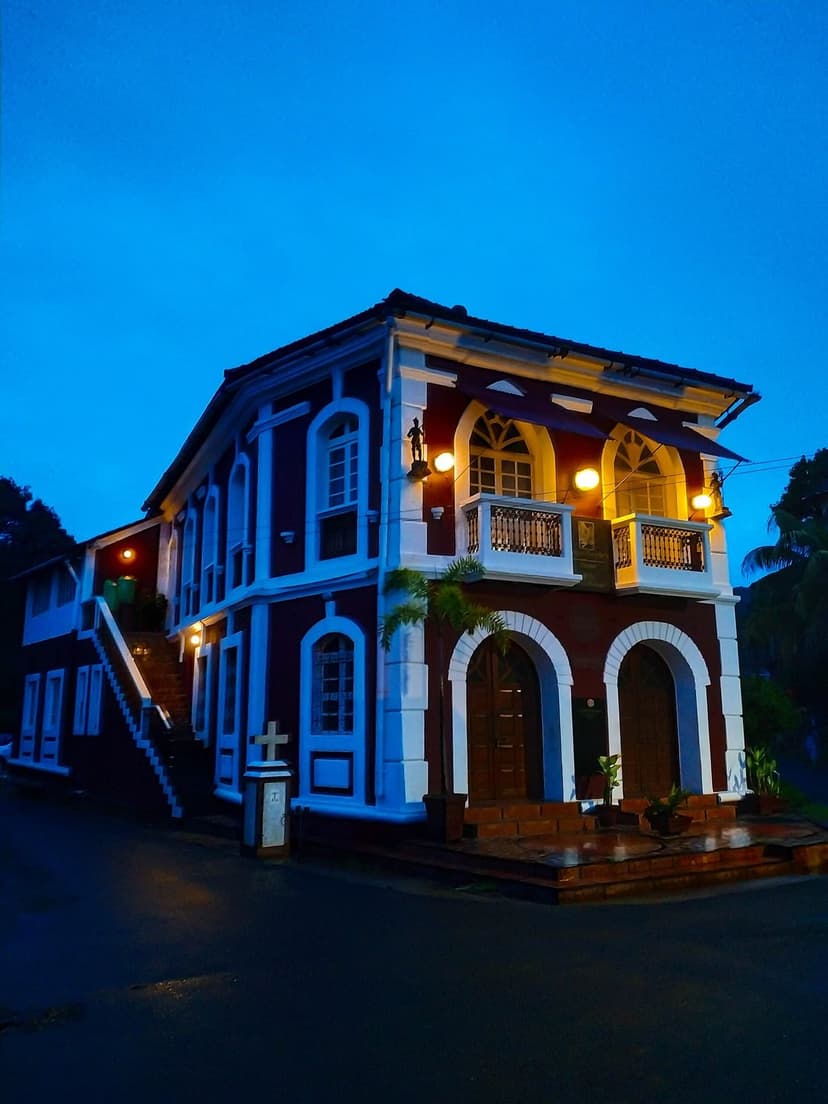
Fontainhas is a place to wander rather than to tick off, but a few things anchor a walk. The Church of Our Lady of the Immaculate Conception, the big white wedding-cake church with the criss-crossing stairways, is the landmark everyone starts from and the one genuinely public monument. St Sebastian Chapel, tucked in the lanes, is a quiet interior worth a respectful few minutes. Beyond that it is the houses themselves, the balcões and oyster-shell windows and the colours, and the small galleries and heritage cafes that have opened in a few of them. Goa's most famous artist, the cartoonist Mario Miranda, is the presiding spirit of this kind of old Goan streetscape, and his sketched, crowded, affectionate version of it is worth having in your head as you walk.
What Fontainhas is not is a checklist, and trying to make it one is how you end up as the person on the thread. There is no fort to storm, no viewpoint to conquer. The whole thing is the texture, best taken at the pace of someone who lives there and has all morning. Some Goans will even tell you the food and the ordinary streets of the wider Panjim are the better part; one, on a thread about the capital, made the case that Goa is not all about nature, it is also about its history, and Fontainhas is where that history is still standing and still lived in.
| The Instagram raid | The slow walk | |
|---|---|---|
| When | Midday, on a busy weekend | Early morning or evening, midweek |
| The aim | The same three photos as everyone | An hour of wandering and one coffee |
| The houses | Backdrops to pose against | Homes to walk past quietly |
| Your money | Nothing spent, a nap disturbed | Spent in the cafes and bakeries |
| What residents feel | Invaded | Barely aware you came |
Where a Fontainhas morning fits in a Goa trip
Fontainhas is not a whole holiday; it is a perfect half-day, and it slots neatly into the version of Goa this whole series is about, the one behind the beaches. Panjim makes a good, central, characterful base, and from it the rest of the quiet Goa is within easy reach. Do the Latin Quarter slowly on a morning you are not doing much else, and give the rest of your days to the countryside and the water and the forest, the parts of North Goa that reward you for turning up and do not mind a camera.
Base in or near Panjim, walk Fontainhas at dawn, and then spend the active days out in the quieter North Goa, on a village cycle ride, a backwater kayak, or a forest walk, the low-impact experiences you can sort on the North Goa things-to-do page. For the wider argument about why the quiet, inland, respectful Goa is the one worth your time, there is a companion piece on whether Goa is overrated. Fontainhas is that argument in a single, fragile, beautiful neighbourhood: go gently, and it stays worth going to.
Common questions
What is Fontainhas in Goa?
Fontainhas is the old Latin Quarter of Panjim, the Goan capital: a small, walkable neighbourhood of narrow lanes and brightly painted Portuguese-era houses on the east edge of the city, below the Church of Our Lady of the Immaculate Conception. Along with the adjoining Sao Tome quarter, it is the piece of Goa that most looks like its Portuguese past, and it is a lived-in residential area rather than a museum.
Is Fontainhas worth visiting?
Yes, if you go the right way. It is one of the loveliest walks in Goa and completely different from the beaches, a slow hour or two among heritage houses, chapels and small cafes. The catch is that it is a residential neighbourhood whose residents are tired of being photographed, so it rewards a quiet early-morning or evening wander far more than a midday photo raid.
When is the best time to visit Fontainhas?
Early morning, soon after dawn, or in the evening, for the soft light on the coloured walls, the cool empty lanes, and to disturb residents least. Weekdays are quieter than weekends. Avoid the middle of a busy day, which is both hot and crowded and the time residents most resent the photo-shoots.
Can you take photos in Fontainhas?
Of the public street, briefly and quietly, yes. But residents are openly upset about visitors photographing into windows and doorways, posing against private homes, and running pre-wedding shoots with lights, drones and smoke machines. Do not photograph or lean on peoples houses, do not use drones, keep your voice down, and treat it exactly as you would a strangers residential lane anywhere else.
What is there to see and do in Fontainhas?
Mostly, wander. Anchor a walk on the Church of Our Lady of the Immaculate Conception and the little St Sebastian chapel, then drift the lanes of Fontainhas and Sao Tome for the coloured houses, wrought-iron balconies and oyster-shell windows, dropping into a heritage cafe for a Goan breakfast and any small galleries that are open. It is a place to feel rather than to tick off.
How much time do you need in Fontainhas?
A gentle hour or two on foot covers the quarter comfortably, and half a day if you add a slow cafe breakfast and a walk along the Panjim riverfront. It is small and entirely walkable. It works best as a relaxed morning rather than a rushed stop, and pairs well with exploring the wider old town of Panjim, which locals say is just as handsome and far less crowded.
Is Fontainhas a good base for a Goa trip?
Panjim, which Fontainhas sits inside, makes a good central and characterful base, away from the beach crowds and close to the quieter, inland North Goa. Walk the Latin Quarter on a morning you are not doing much else, and use the rest of your days for the countryside cycling, backwater kayaking and forest walks that make up the quiet Goa this neighbourhood belongs to.
Why are Fontainhas residents unhappy with tourists?
Not with respectful visitors, but with the volume and behaviour of photo tourism. Residents describe strangers crowding their windows while they rest, posing against their homes, and staging pre-wedding shoots with lights, drones and smoke that move their belongings and sometimes damage old fittings, all in a lived-in neighbourhood. Some want it declared a silent zone. The remedy is simply to walk it quietly, spend locally, and leave homes alone.
Sources and a note on this guide
I write for Refuje and I do not live in Goa. The strength of feeling about photo tourism in Fontainhas, the detail about the old communidade land rules, and the point that the wider Panjim is just as walkable are drawn from Goans discussing their own neighbourhood on r/Goa, quoted and attributed as it appears. Nothing here is a first-hand claim of mine. The place facts were checked against current sources in July 2026.
- Panaji (Panjim) as the Goan capital and former seat of Portuguese India, and its landmarks, the Church of Our Lady of the Immaculate Conception, St Sebastian Chapel, and the Sao Tome quarter, and the artist Mario Miranda: Wikipedia and standard references, coordinates verified against Wikipedia and OpenStreetMap.
- The resident sentiment about influencer and pre-wedding photo tourism, the elderly-neighbours and silent-zone comments, the communidade-land-rules detail, and the point that the rest of Panjim is equally worth walking: attributed r/Goa threads, quoted inline.
- The old-Portuguese-quarter character, the colour-wash rules and the house architecture are described from widely documented accounts of Fontainhas; where a specific claim came from a resident rather than a reference, it is attributed as such.
Neighbourhoods change and access rules can too, so read the room when you are there and follow any local signs or requests. If you are from Fontainhas or Panjim and think this gets your neighbourhood wrong, that is the correction it should carry, so tell us.
You Might Also Like
Edge City India 2026: The Practical Guide
Three weeks in Mandrem, North Goa. October 11 to November 1, 2026. Hundreds of founders, researchers, engineers, and creators living and building on a stretch of beach that is usually known for yoga retreats and quiet cafés, not hackathons. If you have applied, or you are wondering whether you...
Solo Female Travel in Goa: An Honest Safety Guide
An honest, balanced safety guide for women travelling to Goa alone: why it's comparatively safe and loved by many yet has a real, worsening harassment problem concentrated on the party beaches, where to base for a calmer trip, and the practical choices that tilt the odds in your favour.

Working Remotely from North Goa: The Honest Digital-Nomad Guide
An outsider's honest guide to working remotely from North Goa: why it isn't the beach-office of the photos, the power-and-internet problem that decides everything, where to base (Assagao, Siolim, Caranzalem), the cost, solo-female safety, and how to be a good guest rather than a coloniser.