
HP for Seniors: Gentle Mountains, Honest Limits
HP for Seniors: Gentle Mountains, Honest Limits
I am not seventy. The people I plan HP trips for the most often are. Older relatives, older friends-of-friends who hear that their Kullu cousin writes about Himachal for a living, ask me if I will please look at the operator brochure and tell them which parts to ignore. The question I get most often is the one nobody likes asking out loud: "at this age, with this body, what would actually be possible?" This guide is an answer.
The trip you are planning, Not the one with Manali run and Solang scramble. Not the one with Spiti loop and the Kunzum pass thrown in for the photos. The slower one. The one where the questions in your mind are about the benches and the lifts, about what time the chemist closes and also about how cold the bedroom gets at three in the morning. This guide is for that trip. The research file behind it ran to 12,000 words; I have cut it to the part you actually need at the kitchen table the week before you book the cab.
Quick answer (May 2026):
Take them to Shimla, Dharamshala, Palampur, Dalhousie, or Kasauli. Sleep under 2,300 m. Avoid Rohtang, Spiti and the upper Kinnaur passes. Best months are mid-April to mid-June and mid-September to early November. The Kalka-Shimla toy train is the most age-friendly way up the hill. IGMC Shimla emergency lines are 0177-2654713 and 0177-2803073. The Indian Railways blanket senior concession remains suspended as of May 2026, despite five budgets that did not restore it.
- Safe altitude ceiling
- 2,300 m for most healthy seniors, 2,500 m firm cap for cardiac
- Four best hill stations
- Shimla, Dharamshala lower, Dalhousie, Kasauli
- Best months
- Mid-April to mid-June and mid-September to early November
- Months to avoid
- July to early September (monsoon) and mid-December to mid-February (ice)
- Nearest tertiary hospital
- IGMC Shimla, 872 beds, emergency 0177-2654713
- Toy-train gold standard
- Kalka-Shimla, 656 m to 2,076 m over five hours
- Shaktipeeth circuit
- Five shrines, all under 1,250 m, three-day loop from Pathankot
- IRCTC senior discount 2026
- Suspended since 20 March 2020. Plan on full fare
- HRTC senior discount 2026
- Samman Card 30 per cent on ordinary buses only, not Volvo
The altitude rule
Mountain medicine is more boring than the brochures want to admit. The body loses oxygen with altitude at a rate the heart and the lungs can usually adapt to, until the slope of the rise outruns the slope of the adaptation. For a forty-year-old in good shape this curve is generous. For a seventy-year-old with controlled hypertension and a knee that complains in winter, the curve is narrower. The European Society of Cardiology joint statement on cardiovascular disease and altitude (Eur Heart J, 2018) is the boundary I quote when family members push back on my caution. Sleep below 2,500 m for stable cardiac cases. Below 2,000 m for uncontrolled or recent events. A five-day adjustment at a lower hill before any higher sleep.
For HP this divides cleanly into three zones. The lower belt under 1,800 m where altitude is not really the question. The middle band from 1,800 to 2,300 m where two small precautions make the difference. The upper band above 2,500 m where the answer for most older travellers is no.
| Option A | Option B | |
|---|---|---|
| Green zone (under 1,800 m) | Kasauli 1,927, Barog 1,561, Palampur 1,220, Dharamshala lower 1,457, Kangra 733 | Safe for almost any healthy senior. Heart and lung issues still need a doctors clearance but altitude is not the variable. |
| Yellow zone (1,800 to 2,300 m) | Shimla 2,206, Dalhousie 1,970, McLeod Ganj 2,082, Chail 2,250, Naldehra 2,050, Manali 2,050 | Fine with two practical steps. Plan a sleep night at a lower altitude on the way up. Watch for AMS in the first 24 hours. |
| Yellow-edge (2,300 to 2,500 m) | Wildflower Hall Mashobra 2,515, Kufri 2,622 | Day visits acceptable, sleeping is the boundary. Anyone with controlled cardiac should not sleep above this band. |
| Red zone (over 2,500 m) | Rohtang 3,978, Spiti 3,800-plus, upper Kinnaur, Chandratal 4,300, Hampta 4,270 | Not for over sixty without a clean recent cardiac and pulmonary review and five acclimatisation days. Even then the answer is often no. |
AMS, the symptoms to know before the trip: headache that does not lift, loss of appetite that lasts past one missed meal, a wet cough in the night that was not there at the plains, sleep that is broken every half hour, swelling in the feet that is new. Any two of these and you are descending the next morning, not arguing about whether the parent is being soft. Most AMS becomes serious in the first 24 to 48 hours after the ascent. The drug to discuss with the parents doctor before the trip is acetazolamide, starting 24 hours before the climb, not on the day of arrival.
The four hill stations that work
Of the dozen-plus hill stations in HP, four are built for older bodies and the infrastructure proves it. The other eight ask compromises that cost a knee or a night of sleep. These are the four.
| Destination | Details | |
|---|---|---|
| Best first trip for parents | Shimla | Mall and Ridge are flat. IGMC one km away. Heritage hotels with lifts. Toy train is the journey. |
| Best for spiritual interest | Dharamshala lower | Tsuglagkhang has lift access to the upper temple. Norbulingka has ramps inside. Tanda hospital 30 km. |
| Best for quiet and slow walking | Dalhousie | Five hills, five flat British promenades. Lower tourist density. Civil Hospital in town. |
| Best for shortest drive and lowest exertion | Kasauli | Closest hill station to Chandigarh airport (about 90 minutes). Paved Lawrence School loop. Lowest of the four at 1,927 m. |
Shimla, 2,206 m
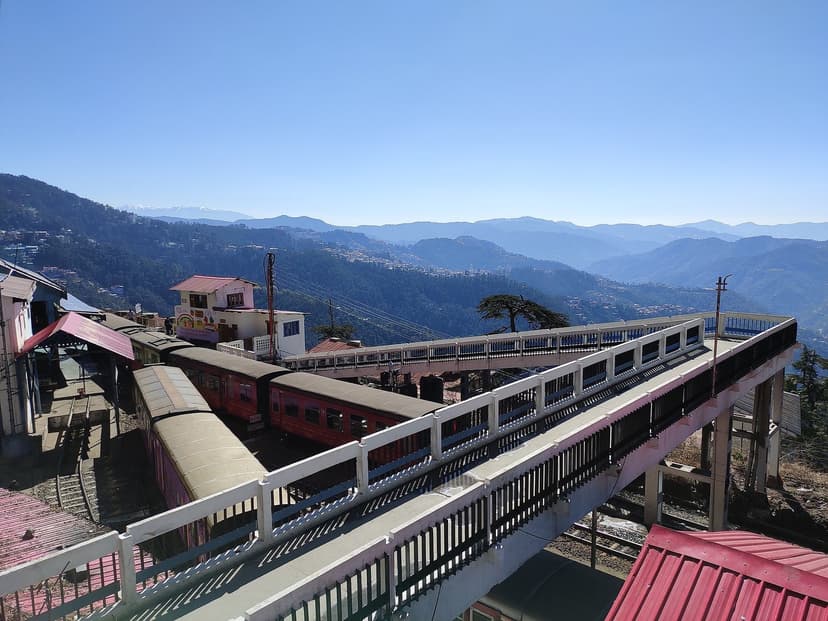
Shimla Railway Station, the upper end of the Kalka-Shimla line. The 96-km UNESCO heritage track climbs from 656 m to 2,076 m so gradually that even seventy-year-old lungs barely notice.
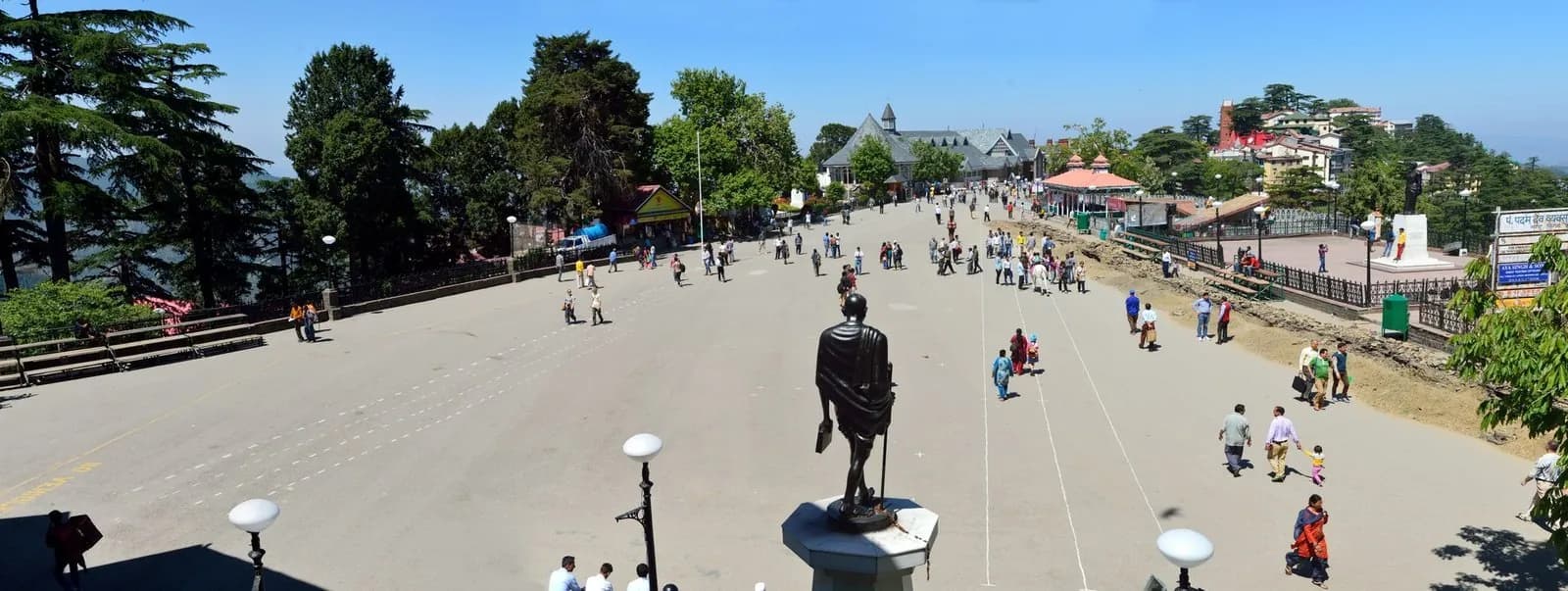
This is where most HP senior trips should start. The argument is not the Mall, which gets crowded enough in May to make me question the recommendation. The argument is geography. The central spine of Shimla, the half-kilometre Ridge and the two-kilometre Mall, is a level concrete promenade with benches every two hundred metres and almost no vehicles in the day. Most hill towns have a single flat stretch their tourists congregate on. Shimla has two and a half kilometres of it.
The other argument is medical. IGMC at Lakkar Bazaar is a one-kilometre walk from Scandal Point. 872 beds. Cardiology, gastroenterology, neurology, urology, a 24-hour emergency wing. A new state trauma centre opened by Chief Minister Sukhvinder Singh Sukhu in 2024 at a build cost of 33 crore with 30 dedicated doctors and 80 nurses. Emergency lines are 0177-2654713 and 0177-2803073. Write both on a card in the parents wallet before the trip. Hand the wallet to the hotel concierge at check-in.
Where Shimla fails older bodies is in winter. December to February brings ice on the Mall and the Ridge, and the slip-and-fracture risk in this band is documented in HPs own trauma admissions. I would not take an older parent to Shimla in January, no matter how pretty the photos look on the cousins WhatsApp group.
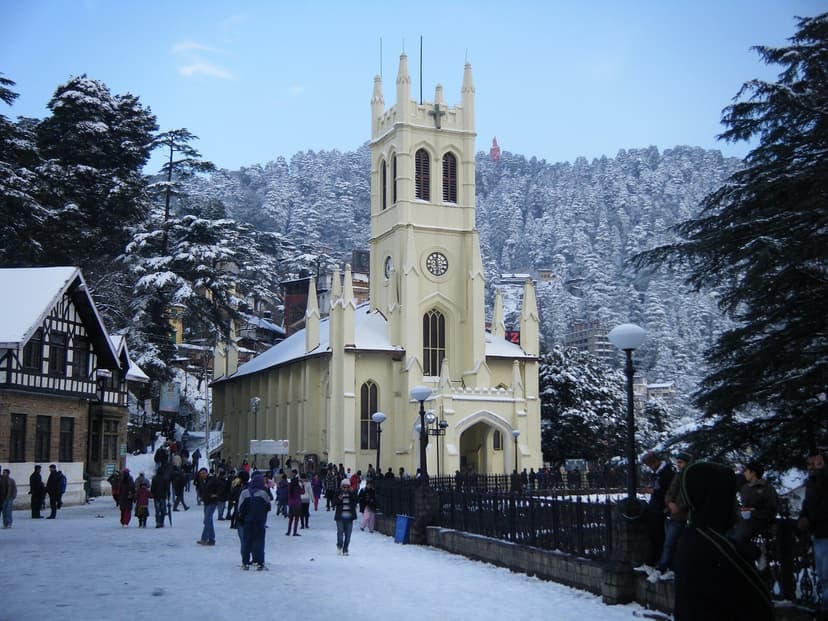
Christ Church on the Ridge after a January snowfall. The picture is winter-magazine pretty; the ice underfoot is not. December to February is exactly when older joints prefer to be elsewhere.
Dharamshala lower town, 1,457 m (not McLeod)
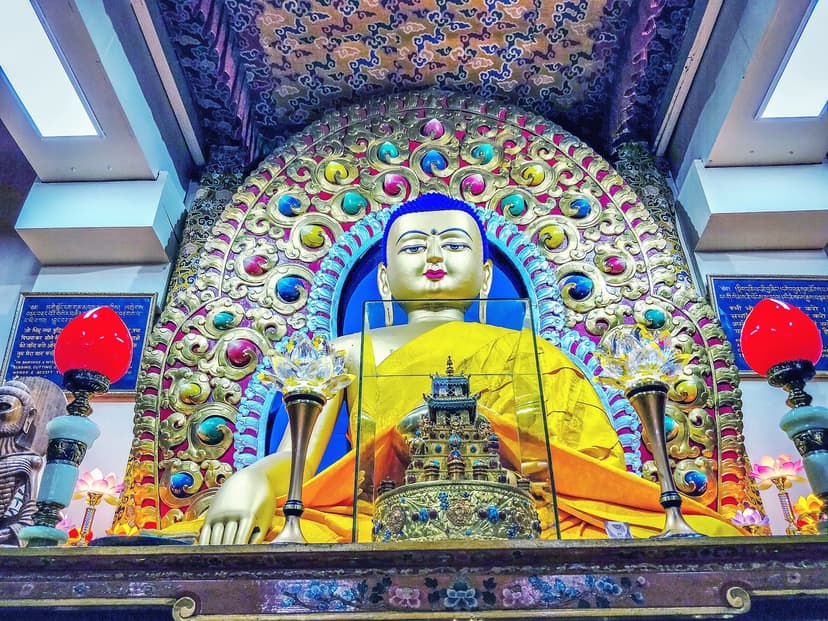
Inside the main hall of Tsuglagkhang, the Dalai Lama principal temple in exile. The complex has lift access to the upper temple from the main courtyard, which is the part most pilgrims do not know about.
The bookings page on every travel site sells you McLeod Ganj when the older travellers really want Dharamshala lower town. The four hundred metres of altitude difference matter less than the geometry. McLeod is built on a steep ridge with stairs to almost everything worth visiting. The lower town spreads flat in the valley below, with the Tibetan Library, Norbulingka at Sidhpur, the HPCA stadium and Chamunda Devi all reachable on a level afternoon drive.
The trick most families miss is the lift access at Tsuglagkhang, the Dalai Lama main temple. From the upper parking, there is a lift down to the main courtyard which eliminates the steep walk every guidebook describes. Ask the staff at the entry; it is rarely advertised but it is in use, and the volunteers will direct you. Norbulingka at Sidhpur has ramped paths between its workshop halls and accessible washrooms. The two are the wheelchair-friendly anchors of the wider area.
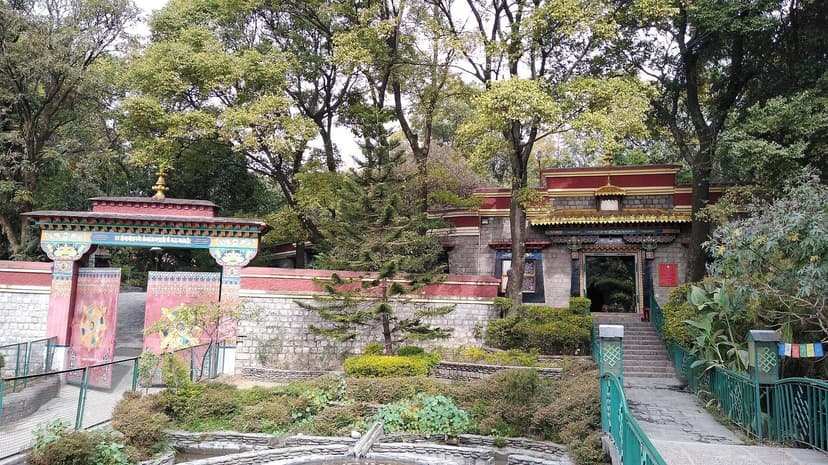
The Norbulingka Institute gate at Sidhpur. Inside the eight acres are ramped paths between the workshop studios and accessible washrooms, both rare in the wider McLeod Ganj area.
Dr Rajendra Prasad Government Medical College at Tanda is the regional tertiary hospital, 30 km south of the lower town on the road back to Pathankot. Zonal Hospital in Dharamshala town itself handles the first 24 hours of anything but stabilisation. Fortis Kangra in Tanda is the closest private cath lab for any cardiac surprise. Save the addresses in the parents phone before they need them.
Dalhousie, 1,970 m
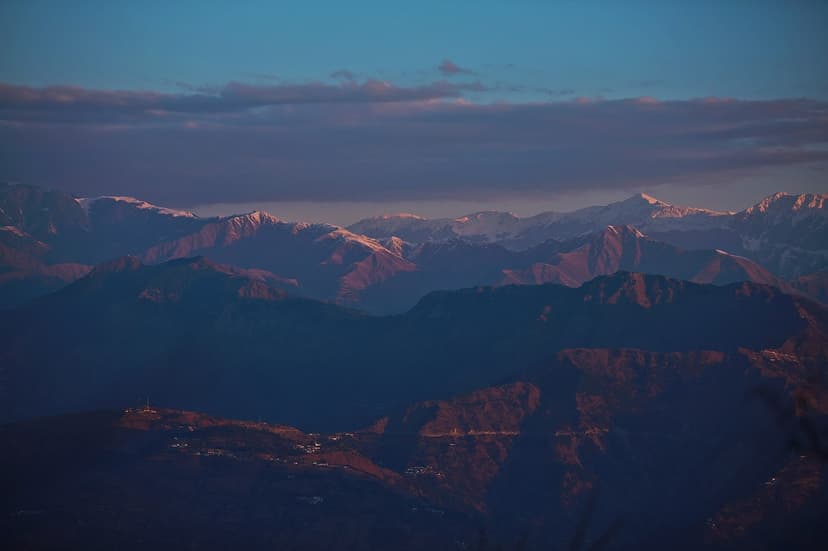
The Pir Panjal as seen from Dalhousie at sunset. Dalhousie sits at 1,970 m on five hills with five British-era promenades cut at near-level grade between them: the only hill station built for slow walkers from the start.
If Shimla is the obvious answer, Dalhousie is the quiet one. The British built it on five hills with five flat promenades cut between them: Gandhi Chowk, Subhash Chowk, Garam Sadak, Thandi Sadak, and the central paving around Mall Road. The grade on these promenades is so slight that the only city in HP that begins to compare for ease of walking is the British military cantonment at Kasauli.
The medical situation is thinner than Shimla. Civil Hospital Dalhousie is in town with about 50 beds, which is fine for stabilisation but not for anything cardiac. The referral chain runs to Civil Hospital Chamba 54 km away (about two hours by road), and from there to GMC Tanda 145 km away or PGIMER Chandigarh on a more serious day. For parents with controlled hypertension and no cardiac history, this chain works. For anything more complicated, Shimla is the safer base.
Dalhousie loses tourists to Khajjiar twenty kilometres away every weekend, which is why the hill station itself stays quiet. This is the argument for it. Two-day window in September, two more in October, and your parents will have walked further than they have in a city year, without realising they were exercising at all.
Kasauli, 1,927 m
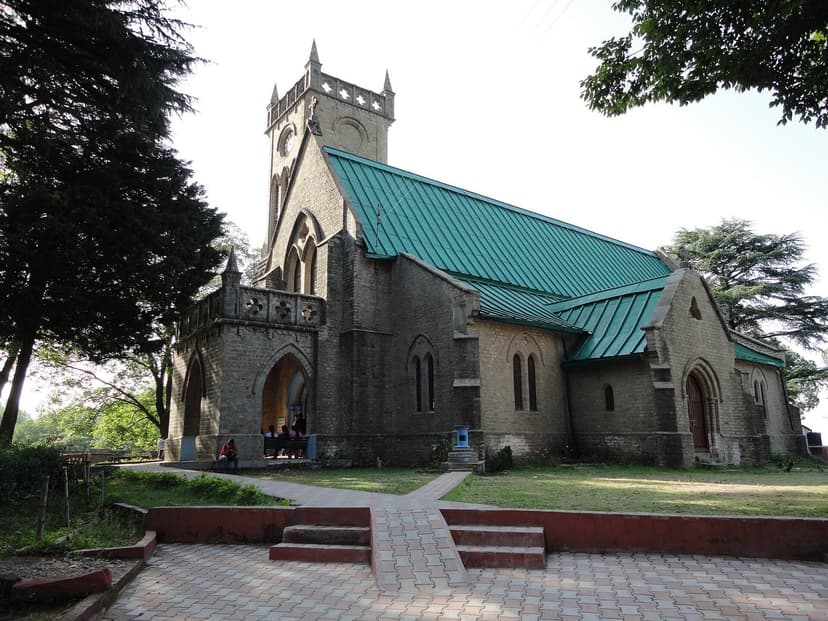
Christ Church, Kasauli (1853). Kasauli sits at 1,927 m, the lowest of the established hill stations, and the church compound is a flat paved approach that suits even unsure feet.
The closest hill station to Chandigarh airport and the easiest first-trip pick for parents who have not been into the mountains before. Ninety minutes from the airport, 1,927 m above sea level, paved walks through deodars on the old Lawrence School loop. The Mohan Meakin brewery here has been making rum since 1855 and now opens its tasting bar to the public; taking a glass or skipping it, the heritage of the place is genuine, not the cantonment-themed novelty of newer hill stations.
Two practical limits. Kasauli has no tertiary hospital. The nearest serious medical care is Chandigarh, about two hours by road on a good day. Treat it as a two-night trip, not a base for a longer stay. The other limit is that Kasauli is a cantonment, which means access to several walks is restricted; the Sunset Point loop and the Monkey Point area both pass through army-controlled areas with ID checks. Carry the parents Aadhaar or passport.
The lower belt the Kangra Valley
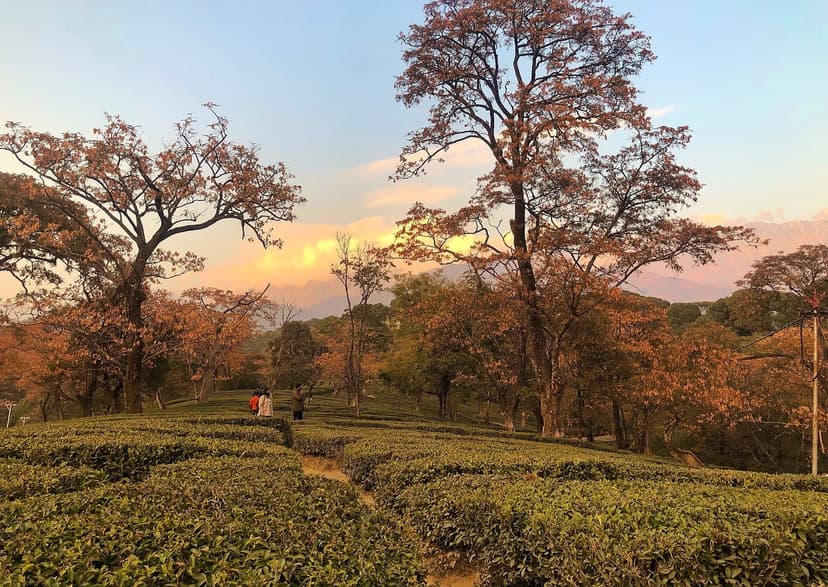
Tea gardens of the Kangra belt at sunset, east of Palampur. Most of the walking paths between the bushes are level enough for slow afternoons.
Below 1,500 m, altitude stops being the variable. The Kangra Valley belt that runs from Pathankot through Palampur and Baijnath into the foothills is where I take parents who have a cardiac issue serious enough that even Shimla makes me nervous. Kangra town at 733 m, Palampur at 1,220 m, Baijnath at 1,166 m. The Dhauladhar wall stays in view, the air thins barely, and the temple circuits run flat.
Palampur is the practical base. The town sits on a low ridge of tea estates with Wah Tea Estate, the country oldest continuously operated tea garden, walking distance from the centre. The food is gentle: roughly handled rice with chana madra at the local dhabas, no chilli unless asked. Taragarh Palace, a 1931 hunting lodge of the Bhawalpur royals, is 14 km from Palampur and runs at the most reasonable senior-friendly rate in the corpus: about 4,000 to 5,000 a room with gardens, a pool, and ground-floor rooms available on request.
The Kalka-Shimla toy train, the senior gold standard
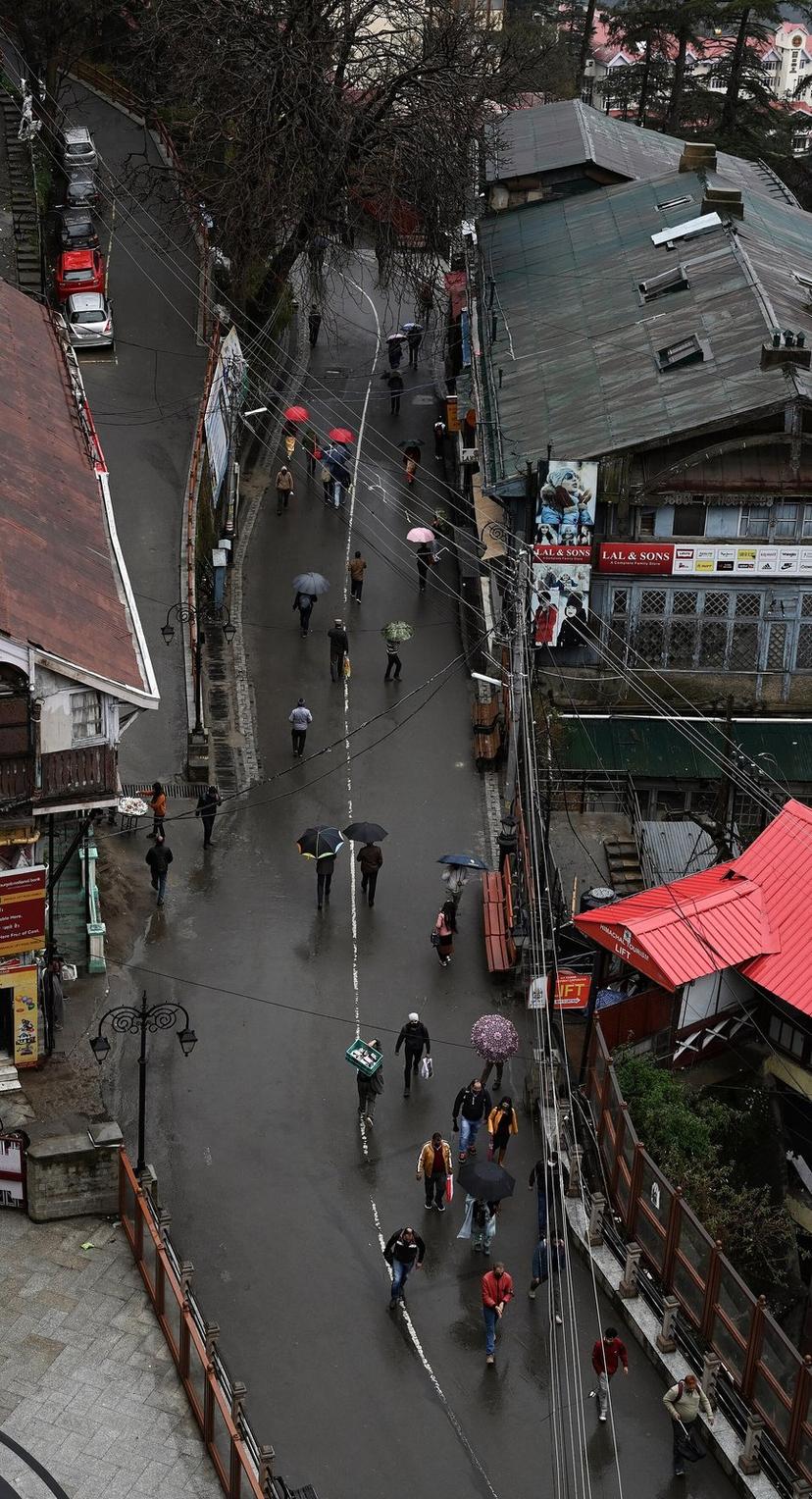
The Shimla Mall in monsoon, from above. This is the daytime pedestrian stretch that empties of vehicles after 9 AM.
Of every way to take older parents into the Himalayas, the Kalka-Shimla narrow gauge is the one that has the highest say-yes rate when I describe it at the kitchen table. The line was built between 1898 and 1903 by H.S. Harington of the Delhi-Ambala-Kalka Railway, runs 96 km from Kalka at 656 m to Shimla at 2,076 m, and was awarded UNESCO World Heritage status in 2008 as part of the Mountain Railways of India listing. The gain in altitude is 1,420 m over five hours: 4.7 metres per minute, slow enough that no body that climbs a flight of stairs at home will register the ascent.
2026 fares from IRCTC and the Shimla Tourism portal. Shivalik Deluxe Express, the carpeted coach with cushioned seats and a meal service, 510 rupees one-way for adults and 255 for children. Himalayan Queen, 470 for adults and 235 for children, no on-board meals but stops at most major stations. Rail Motor Car, 320 for adults, a small single-coach service for the views. Vistadome Coach with the glass-roofed observation windows, 630 rupees per person.
Two notes that the tourism brochures will not tell you. First, the blanket senior citizen concession that gave women 58-plus 50 per cent off and men 60-plus 40 per cent off was suspended on 20 March 2020 as a covid austerity measure and has not been restored as of May 2026. Plan on full fare. Second, the Shivalik Deluxe and Vistadome coaches both have limited seats and sell out a month in advance during the high season (April to June and October). Book on irctc.co.in or shimlatourism.co.in. The Rail Motor Car is the easier walk-up option if the parents are flexible on the date.
The Kangra Valley Railway, the second train
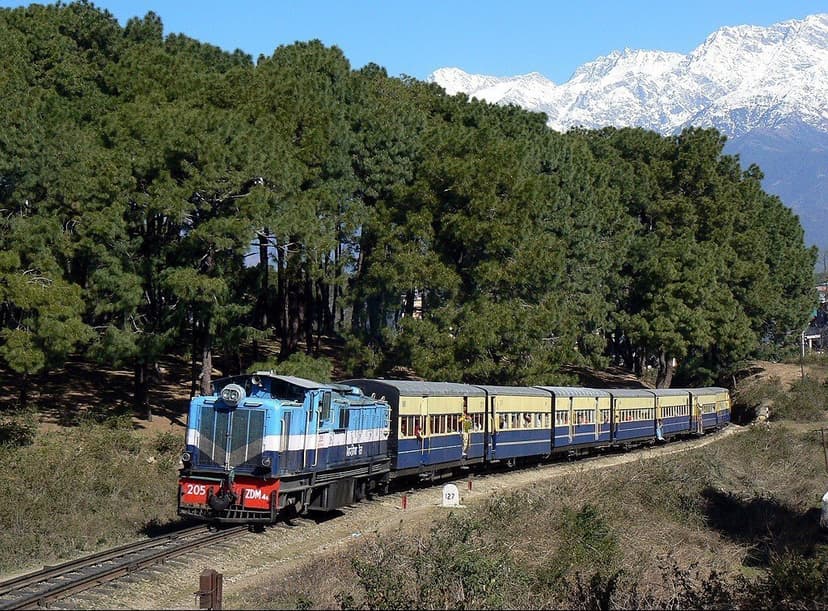
The Kangra Valley Railway with the Dhauladhar behind. The line tops out at 1,290 m at Ahju, well below any altitude that worries a healthy seventy-year-old.
The Kangra Valley line is the less famous of HPs two heritage railways and the more approachable for older travellers. It runs 164 km from Pathankot to Joginder Nagar at altitudes from 384 m to 1,290 m, with 993 bridges and two tunnels (Dhundi 76 m and Daulatpur 328 m) and the Dhauladhar wall as the constant view to the north. UNESCO added the line to its tentative list in 2014.
The catch in 2026, and you will not find this on the heritage-tourism pages: the Pathankot-Joginder Nagar through-service has been suspended since the August 2022 Chakki bridge collapse, despite the new 560-m bridge being trial-run in November 2025. Only train 52473 from Baijnath Paprola to Joginder Nagar covers the upper 22 km, at about 10 rupees in general class. Confirm the day-of running on erail.in; the line is subject to monsoon suspensions through July and August. The full Pathankot run will not return without the 30,000-crore broad-gauge conversion, which has cleared the survey stage and is awaiting financial approval from NITI Aayog and the Finance Ministry per Tribune India September 2025.
Until then, the practical ride is to drive to Baijnath Paprola, board the working stretch up to Joginder Nagar, return by the same train, and stay the night at a Palampur heritage property. The 22 km takes an hour. It is enough.
The Shaktipeeth circuit, low altitude pilgrimage
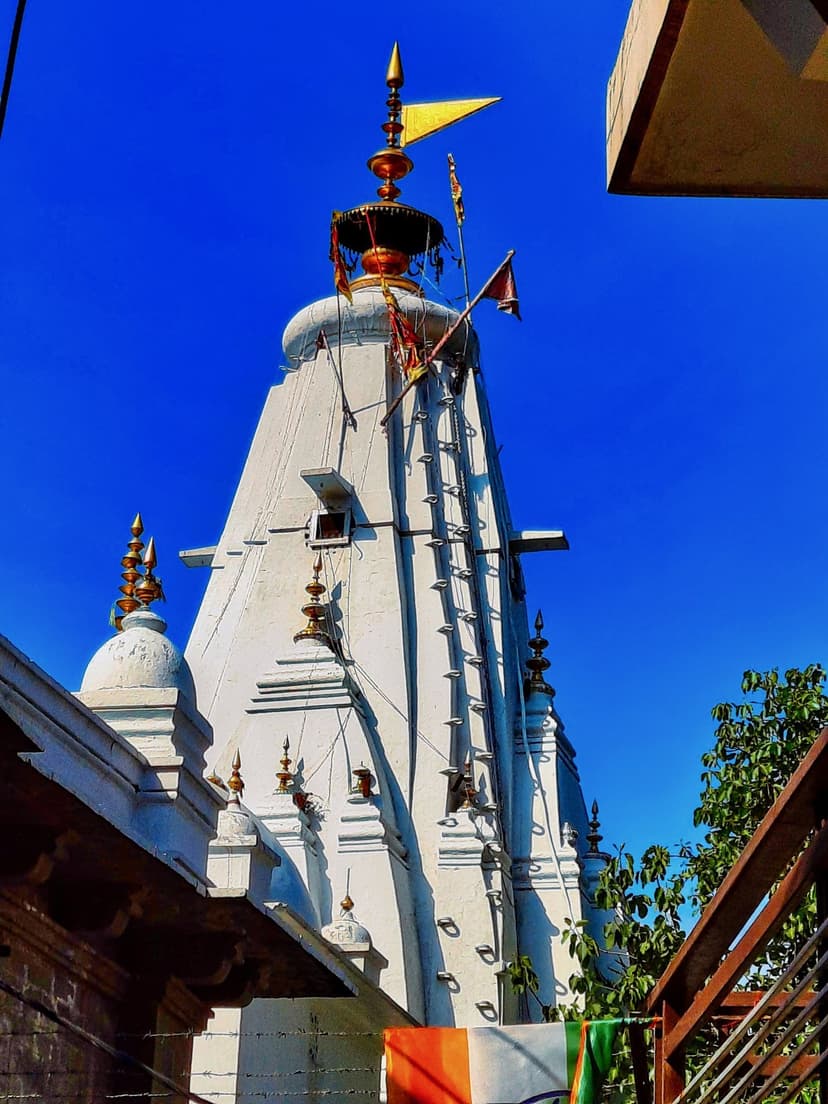
Bajreshwari Devi at Kangra, one of the 51 Shaktipeethas. Darshan is on the flat main hall, no stairs to negotiate, which is the reason families bring elderly parents here long before anyone tries Naina Devi or Chintpurni.
The HP Shaktipeeth circuit was laid out for older Indian pilgrims long before anyone wrote a wheelchair-accessibility guide. Five shrines, all under 1,250 m, all with darshan that does not require a climb, all reachable in three days from Pathankot. Jwalamukhi at 610 m has the eternal flame in a flat-floor darshan hall, no steps from the entry. Chintpurni at 940 m has a short rise from the parking but a covered queue with shade and water. Bajreshwari at Kangra at 733 m sits in the flat centre of the old town and the darshan hall is level paving from the entry gate. Chamunda Devi at about 1,000 m has a wheelchair-accessible ramped entry that was rebuilt during the 2018 to 2020 renovation cycle.
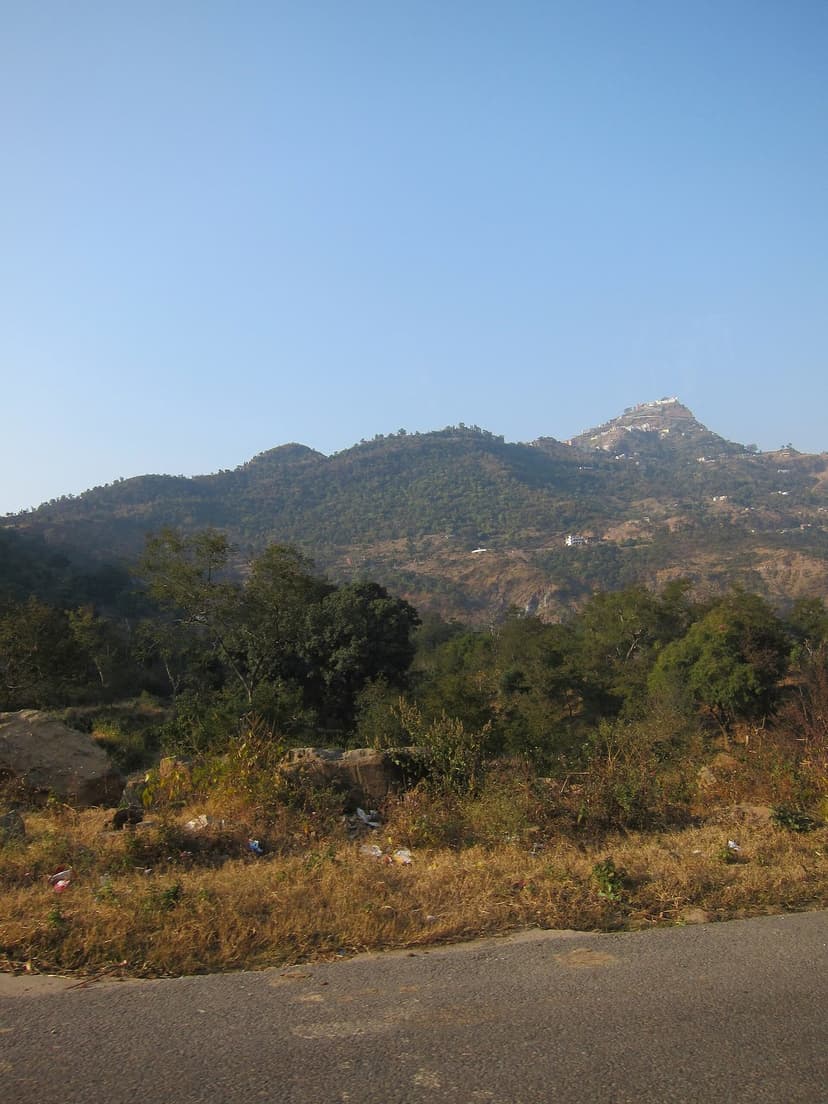
Naina Devi in Bilaspur, one of the five HP Shaktipeethas. The pilgrim ropeway from the parking lot to the temple skips the 200-plus-step climb that used to filter out the elderly, knee-injured, and anyone wearing the wrong shoes.
Naina Devi is the one Shaktipeeth families avoid for older parents until they discover the ropeway. The temple sits on a 1,219 m hilltop above Bilaspur with two hundred and twenty stairs from the road to the sanctum, and that stair climb is the reason most knees retire from this circuit. The Sri Naina Devi Ji Mandir Ropeway, operational since 2003, runs from the parking pavilion to a platform just below the temple complex; one short flight of steps remains but the climb is reduced from fifteen minutes to two. Adult fare in 2026 is around 100 to 150 rupees round trip per official ticket counter; the queue is shortest before the eight oclock morning aarti and after the four oclock evening one.
Mansa Devi at Panchkula is the natural opener for the circuit on the drive in from Delhi or Chandigarh, and Maa Chamunda Devi at Pinjore is a five-minute deviation on the same road. Add both and you have seven shrines across three and a half days. The Hindi-speaking pandits at each shrine speak enough English to manage the parents queries about the proper way to make the sankalp; if your parents are first-time Shaktipeeth pilgrims, the staff are patient.
If your parents want to come to HP and have not yet picked the trip: write to me on hello@refuje.com with their age, any cardiac or pulmonary history, the time of year they are free, and the number of nights they can give the road. I write back with a route built around their limits, not the operator brochure.
Heritage hotels with senior comfort
The right hotel makes the trip. The wrong one ends it on day two. Three things to ask any HP property before you book for older parents: does the room you are booking have a lift to it (heritage properties love their grand staircases), is there a doctor on-call or a clinic agreement within the building, and what is the hot-water schedule (many older HPTDC properties cut hot water from ten in the morning to four in the afternoon, which is fine for back-packers and bad for older joints).
| Option A | Option B | |
|---|---|---|
| Oberoi Cecil, Shimla | Mall Road, 2,206 m. From around 14,000 to 20,000 plus tax in 2026. | Lift, heated indoor pool, in-house doctor on call, IGMC trauma centre one km. |
| Wildflower Hall, Mashobra | 2,515 m, 23-acre forest grounds. From around 26,000 in 2026. | Spa staff trained for medical concierge. Sleeping altitude is the limit for cardiac cases. |
| Clarkes Hotel, Shimla | Mall Road, 2,206 m. From around 5,000 to 6,000. | Heritage 1898 building with a lift. Central. Near IGMC. The value pick on the Mall. |
| WelcomHeritage Taragarh Palace, Palampur | Aweri-Baijnath belt, 1,000 m. From around 4,000 to 5,000 per room. | Low altitude, gardens, pool, spacious ground-floor rooms. The best Kangra-valley senior pick. |
| Fort Nalagarh | Nalagarh, 600 m. From around 4,500. | Lowest-altitude heritage in HP. Fort grounds are flat enough for an evening walk. |
| The Palace Hotel, Chail | Chail, 2,250 m. From around 6,000. | 75-acre estate with the gentlest grounds at this altitude. Same-band sleeping limit. |
| WelcomHeritage Grace, Dharamshala | Dharamshala lower, 1,457 m. From around 4,000. | Two-hundred-year manor with hill architecture. Lower-town location avoids the McLeod stairs. |
Of the seven, my choices for a parents trip in order of confidence: Oberoi Cecil on the Mall for the medical proximity, WelcomHeritage Taragarh Palace for the Kangra valley trip, Clarkes for budget on the Mall, and WelcomHeritage Grace for the lower Dharamshala option. Wildflower Hall is the most beautiful pick but at 2,515 m it is the sleeping-altitude that sits on the cardiac edge. For a parent with controlled hypertension I would still go to Wildflower in October. For anything more complicated I would not.
Gentle walks, with honest difficulty ratings
The brochures use the word easy a lot. I have read most of them. Many easy walks in the HP brochures are easy for the writer, not the parent. The ten below have been done by parents in the sixty-plus age group I have planned trips for, and the rating is what an unprepared seventy-year-old with mild osteoarthritis would say.
| Option A | Option B | |
|---|---|---|
| Mall Road, Shimla, 2 km | Easy | Flat, vehicle-free in the day, benches every 200 m. Wheelchair-passable for most. |
| The Ridge, Shimla, 0.5 km | Easy | Half a km of flat paving with views to both valleys. Christ Church, Gandhi statue. |
| Subhash Chowk to Gandhi Chowk, Dalhousie, 1.5 km | Easy | Flat British promenade through pine forest. Cars are infrequent. |
| Tea garden trail, Palampur belt, 1 to 2 km | Easy | Level paths between tea bushes. Best at golden hour. |
| Tsuglagkhang Complex courtyard | Easy | Flat compound with lift access to the upper temple. The hardest part is the entry walk from the parking. |
| Lawrence School loop, Kasauli, 2 km | Easy | Paved circular route through deodars. Cars allowed but light. |
| Norbulingka Institute, Sidhpur | Easy | Ramped paths between workshop halls. Accessible washrooms. The exception in the wider McLeod area. |
| Shimla Heritage Walk (guided) | Moderate | Two and a half hours, some short inclines. Pacing is the guides job. Shimla Walks 7018703170. |
| Garam Sadak full length, Dalhousie, 2 km | Easy | British-era flat promenade with pine forest on both sides. |
| Jakhoo Temple climb, Shimla | Avoid | Two km of steep road. Skip for anyone with hypertension or knees. |
The medical safety net
You need three things written down before the parents board the train. The tertiary hospital nearest their hotel. The travel-insurance policy number with the helicopter-evacuation rider. A locally available chemist that stocks the parents specific medications, not the generic equivalent, because in Lakkar Bazaar and Bhagsu Nag the substitution rate is high.
Emergency numbers, write them on the inside of the hotel-room door:
IGMC Shimla emergency: 0177-2654713 and 0177-2803073
Dr Rajendra Prasad GMC Tanda (Kangra-Dharamshala belt): district directory at 01892-287777
Civil Hospital Dalhousie: 01899-242125
Fortis Kangra cath lab (cardiac private): 01892-264100
HP Tourism helpline: 1800-180-8060
Universal ambulance: 108
Verify each number before the trip. Hospital directories rotate.
Helicopter evacuation, the rider nobody tells you about
If something cardiac happens at altitude, the road from any HP hill station to PGIMER Chandigarh is the bottleneck. Shimla is eight hours by road on a good day and twelve on a bad one. Dharamshala is similar. Pawan Hans operates Chandigarh-Shimla and Chandigarh-Dharamshala rotations and has medevac capability on record. Heritage Aviation runs charters from Shiv Shakti helipad in Shimla and from Gaggal in Kangra. Routing for a medical emergency runs through the hotel GM, then the district DC office, then the HP Aviation wing.
Budget 1.5 to 3 lakh for a Shimla-Chandigarh medical-helicopter run. No domestic Indian policy I have read covers helicopter evacuation retroactively. You buy the rider before the trip or you do not buy it at all. The Indian insurance plans I have found that carry a helicopter rider for HP are Niva Bupa Travel Assure Plus, Care International Travel, and Tata AIG Travel Guard Premium in their senior add-on tiers. Read the policy wording, not the brochure: most of them cover helicopter only when conventional road evacuation is impossible, which is a high bar in practice.
Getting them up there
For most parents trips the right answer is a private car with a driver who has done the route before. Self-drive is fine for a forty-year-old and not for me at sixty-five. HRTC Volvo is the budget alternative for the Delhi-Shimla and Delhi-Dharamshala runs: twenty-seven plus Delhi-Shimla Volvos daily, 2-plus-2 AC with full air suspension, individual charging points, 44 seats. Book seats 3, 4, 5 or 6 (front, least swaying) and avoid the night services for parents over seventy because they arrive at five in the morning, which is the worst possible time to start a hill trip.
The Indian Railways senior concession remains suspended in 2026. Two budgets and several private members bills have failed to bring it back. HRTC offers two card schemes for older travellers: the Samman Card at 100 rupees per year gives a 30 per cent discount on ordinary buses but not on Volvo or Super Luxury or AC services. The Him Bus Card at 236 rupees for the first year and 150 a year after is mandatory in 2026 to claim any concession benefit. Both are applied for on the Him Access portal. Apply two weeks before the trip.
For anyone over seventy on the Dharamshala route, the right answer is the Delhi-Gaggal flight. SpiceJet and IndiGo both run it most days, the flight is about an hour, and the alternative is a twelve-hour Volvo ride. The cost premium is around six to eight thousand for the pair and worth every rupee.
For the parents-trip cab service we use most often: any of the HP-registered tour operators with their own Innova fleet (not the aggregators that subcontract the day-of driver) will quote 4,500 to 6,500 a day inclusive of fuel for a Shimla-Dalhousie loop in 2026. Ask the operator for the drivers age and experience. A 32-year-old who has done the route twice is not who you want. A 50-year-old who runs the Pathankot-Shimla-Manali corridor twice a week is. The age discount in road familiarity is real.
When to take them
Two windows. Mid-April to mid-June is the spring window when the rhododendrons are still in flower in the upper bands and the lower belt is in full apple blossom. Daytime temperatures in Shimla sit at 15 to 25, in Kangra 18 to 30, in Kasauli 15 to 28. The mornings are cool enough that the parents will reach for a shawl, which is the right temperature for them to enjoy the view without overheating on the walk.
Mid-September to early November is the autumn window after the monsoon clears. The Dhauladhar wall is at its visible best. The crowd has thinned. The Kullu Dussehra festival in October draws a tourist surge to that valley specifically, so plan around 20 to 26 October for the 2026 calendar if you want to avoid the crowds or include the festival deliberately. The 2026 Kullu Dussehra dates were corrected to October 20 to 26 by HP Tourism after stale earlier publications.
The windows to avoid. July to early September: the southwest monsoon turns the roads into landslide tracts and 2025 was a 451-death year by the HP State Disaster Management Authoritys own count. I do not take older parents to HP in monsoon under any circumstance. Mid-December to mid-February: black ice forms on the Mall and the Ridge and the slip-and-fracture risk in this band is real. Older HPTDC heritage properties lose hot water at night to frozen pipes. Cold spikes BP in older bodies. The view of Christ Church in the snow is genuinely beautiful and that is what photographs are for.
A 7-day senior loop that actually works
This is the itinerary I have refined for older parents on the trips I have planned. Hard-won, gentle, with the medical chain in view at every step.
- Day 1 Delhi to Chandigarh
Train or Volvo to Chandigarh, 5 hours. Overnight at any hotel near the airport so the parents sleep on flat land before any climbing. - Day 2 Chandigarh to Kasauli
Drive 65 km, 90 minutes, to Kasauli 1,927 m. Walk the Lawrence School loop in the evening. Sleep at Kasauli. This is the first acclimatisation step. - Day 3 Kasauli to Shimla via toy train
Drive to Kalka, board the Shivalik Deluxe at 656 m, ride five hours to Shimla 2,076 m. The slow rise is the point. Check into a Mall hotel with a lift. Evening on the Ridge. - Day 4 Shimla day
Slow morning on the Mall. Lunch at Indian Coffee House. Afternoon to Christ Church and the Gandhi statue. Sleep early. This is the highest sleeping night of the trip. - Day 5 Shimla to Naldehra and back
Day trip 20 km to Naldehra 2,050 m for the flat golf-course walk under deodars. Lunch at HPTDC Hotel Golf Glade. Back to Shimla by evening. - Day 6 Shimla to Dharamshala lower
Long drive 350 km, eight hours via Bilaspur with a stop at Naina Devi if the parents want darshan. The ropeway skips the steps. Arrive at Dharamshala lower town for sleep. - Day 7 Dharamshala
Slow morning at Tsuglagkhang. Afternoon to Norbulingka at Sidhpur for the ramped workshop halls. Tea at Norling cafe. Fly out of Gaggal the next morning.
What it costs in 2026 (a 7-day parents trip for two)
| Category | Cost (INR) | Note |
|---|---|---|
| Total | 73020 |
This is the realistic floor for a comfortable senior trip with a heritage Mall-hotel in Shimla, the Shivalik Deluxe toy train, and a private cab on the Dharamshala leg. The luxury floor with Oberoi Cecil and Wildflower Hall sleep nights runs about 1.6 lakh for the two of them; the budget floor with HPTDC properties and HRTC Volvo runs about 55,000. The middle option is the one most families end up choosing once they price the alternatives.
The map: 17 markers, three hospitals, two trains
What this guide does not promise
I have not lived in Shimla. I write from Kullu, and what I know of taking older parents through HP is the result of the conversations I have had over the years with a dozen older Himachali friends and family who have watched their parents make the same journeys in reverse. The medical numbers I have quoted come from the HP government hospital directory, IGMCs own website, and the Tribune India coverage of the 2024 trauma-centre opening. The cardiac and altitude guidance is from the European Society of Cardiology joint statement and the BMJs 2020 review on high-altitude travel for older adults; I am not a doctor and your parents have one. Show them this guide. Argue with the parts they disagree with.
The two things I cannot give you, and the two things that matter most. First, on-ground verification of wheelchair access at every site I have named; the temple staff at Tsuglagkhang told me the lift access exists, but the volunteer who told me may not be the volunteer who is on shift when you visit, so call 01892-222510 to confirm a day before. Second, the right pace for your parents. The seven-day itinerary I have written is the average. Some parents need ten. A few need five. The conversation that tells you which is the one I cannot have for you.
If you have already made this trip and want to tell me what I got wrong in your case, or what I should have warned about, write to hello@refuje.com. The single largest mistake in the corpus on senior travel is the silence of the people who have done it and not written it down. I want to fix that.
Frequently asked questions
Is Shimla safe for senior citizens
Yes for most. Shimla is 2,206 m, well inside what the BMJ and ESC altitude papers consider safe for healthy older travellers. The Mall and the Ridge are level pedestrian zones. IGMC tertiary hospital is one km from the Mall with a 33-crore trauma centre opened in 2024 and emergency lines on 0177-2654713 and 0177-2803073. Avoid the second half of December through February when the Ridge and Mall hold black ice.
What altitude is safe for elderly travellers in Himachal Pradesh
Under 2,300 m is the practical safe band for a healthy senior with no severe heart or lung disease. Anyone with controlled hypertension or stable angina should not sleep above 2,500 m without five clear acclimatisation days at a lower hill. For uncontrolled cardiac, COPD, or recent stroke the rule from the European Society of Cardiology joint statement is firmer: stay under 2,500 m. Spiti, Rohtang and the upper Kinnaur passes belong to a different conversation.
Which hill station in Himachal is best for elderly parents
Shimla for first trips because of medical access and the flat Mall-and-Ridge spine. Dharamshala lower town for spiritual interest with the Dalai Lama complex and a hospital in walking distance. Dalhousie for quiet and the lowest tourist density of the four. Kasauli for the gentlest geography and the shortest drive from Chandigarh. Avoid Manali for a first parents trip in most months: the Mall is uneven, the air is busier than the brochures admit, and the genuine sights ask for a Rohtang-zone day.
Are there hospitals near Shimla Dharamshala and Dalhousie
Shimla has IGMC at Lakkar Bazaar with 872 beds and the state trauma centre. Dharamshala has Zonal Hospital in town and Dr Rajendra Prasad Government Medical College at Tanda 30 km south for anything beyond stabilisation. Dalhousie has a Civil Hospital in town with referral to Civil Hospital Chamba 54 km away. The Fortis property at Kangra is the nearest private cath lab for cardiac emergencies.
Can senior citizens ride the Kalka-Shimla toy train
Yes. The line gains altitude so slowly that the rise from 656 m at Kalka to 2,076 m at Shimla over five hours is one of the least demanding ways to reach Shimla. Shivalik Deluxe is 510 rupees one-way, Himalayan Queen 470, Vistadome 630 and the Rail Motor Car 320. Book one month in advance on irctc.co.in: seats sell first.
Does Indian Railways still give senior citizens a discount in 2026
No. The blanket fare concession that gave women 58-plus 50 per cent off and men 60-plus 40 per cent was suspended on 20 March 2020 as a covid austerity measure and has not been restored as of May 2026. Multiple parliament questions and budget cycles have failed to bring it back. Plan the fare on full price.
Does HRTC give senior citizens a Volvo discount
Not on the AC Volvo and Super Luxury services. The Samman Card scheme gives a 30 per cent fare cut on ordinary HRTC buses for the card-holder for one year at a 100-rupee fee. Volvo and AC remain at full fare. The new Him Bus Card at 236 rupees one-time is mandatory across 2026 for any concession travel.
Which heritage hotels in Himachal are suitable for elderly guests
Oberoi Cecil on the Mall has a lift, a heated indoor pool, an in-house doctor and a 2026 floor of about 14,000 to 20,000 rupees plus tax. Clarkes on the Mall has a lift and is the lower-priced option at roughly 5,000 to 6,000. Wildflower Hall at Mashobra sits at 2,515 m and asks 25,000 to 30,000 a night but the spa staff are trained for medical concierge. WelcomHeritage Taragarh Palace near Palampur is the lowest-altitude pick at 1,000 m and the best value at 4,000 to 5,000 a room.
What are gentle walks for seniors in Shimla
The Ridge is half a kilometre of flat paving with benches and views to both sides. The Mall is two kilometres, near-level, vehicle-free during the day. Lower Bazaar is the only true climb of the central spine and is best avoided. The Shimla Walks heritage tour is two and a half hours and slow-paced. Avoid Jakhoo Temple unless your parent climbs stairs at home: the road is steep enough to spike blood pressure.
When is the best time for senior citizens to visit Himachal Pradesh
Mid-April to mid-June and mid-September to early November. Daytime temperatures sit between 15 and 25 in Shimla and the lower belt. Avoid July to early September: the monsoon turns road shoulders into landslide tracts and 2025 was a 451-death year for HP under the State Disaster Management Authority count. Avoid mid-December to mid-February for the ice that builds on the Mall, the frozen pipes in older HPTDC properties, and the way cold spikes blood pressure in older bodies.
Can my parents do a Shaktipeeth pilgrimage in HP at their age
Yes, and the HP circuit is laid out for them. Jwalamukhi at 610 m has no steps to the eternal flame. Chintpurni at 940 m has a short rise from the parking. Bajreshwari at Kangra at 733 m and Chamunda at about 1,000 m are flat darshan halls. Naina Devi at 1,219 m has had a ropeway since 2003 that takes them past the 200-plus steps. Three days from Pathankot covers all five. Add Mansa Devi at Panchkula for the drive in.
What about Manali and Spiti, can we add them
Manali Mall at 2,050 m is doable if your parents are physically active and you do not push above the town. Skip Rohtang and Solang for them: 3,978 m is past where the cardiac papers are comfortable, and the Solang day involves a snow-park scramble at altitude. Spiti is a no for anyone over sixty unless they have done high-altitude trekking before and have a clean cardiac and pulmonary clearance from a recent test.
A traveller voice
"I planned a little trip for my parents along the little towns between Kalka and Shimla like Barog, Solan etc. Trips can be an experience to remember."
u/travelmatenaruto on r/delhi, on what the parents trip actually feels like once you stop trying to do Manali and start doing the slow route up.
Sources
Indira Gandhi Medical College Shimla: igmcshimla.edu.in for the 872-bed figure, emergency lines and trauma-centre infrastructure.
The Tribune (Himachal), 2024 on the 33-crore IGMC trauma centre inauguration by CM Sukhvinder Singh Sukhu, 30 dedicated doctors and 80 nurses deployed.
HP Government Hospital Directory and District pages for Tanda Medical College (hpkangra.nic.in), Civil Hospital Dalhousie (hpchamba.nic.in) and Zonal Hospital Dharamshala addresses and contact lines.
European Society of Cardiology 2018 joint statement on cardiovascular disease and altitude: Eur Heart J 39(17):1546.
Circulation 1997, 96(4):1224 on altitude exposure in the elderly with cardiovascular disease: ahajournals.org.
PMC4035612 on chronic mountain sickness prevalence in HP (6.17 per cent overall, 13.73 per cent above 3,000 m).
Shimla Tourism (shimlatourism.co.in/kalka-shimla-toy-train) for 2026 Kalka-Shimla toy train fares and class breakdowns.
HRTC Social Obligations and Discounts pages (hrtchp.com) for the Samman Card 30-per-cent scheme on ordinary buses, and the Him Bus Card 236-rupee mandate.
Indian Railways official statement on the suspension of senior citizen concessions from 20 March 2020 (covid austerity) and 2026 confirmation that no restoration has been gazetted: IRCTC official PDF on the historic concession structure (40 per cent men 60-plus, 50 per cent women 58-plus) and current suspended status.
Oberoi Cecil tariff and Oberoi Wildflower Hall for 2026 rates and amenities.
WelcomHeritage Taragarh Palace 2026 listing for room rate, altitude and accessibility features.
Sri Naina Devi Ji Mandir for the ropeway (operational since 2003) and ticket counter floor.
HP State Disaster Management Authority for the 2025 monsoon death toll of 451 in HP (final bulletin 23 Sept 2025).
HP Tourism 2026 calendar correction on Kullu Dussehra dates (20-26 October) per himachaltourism.gov.in.
Pawan Hans (pawanhans.co.in) for the Chandigarh-Shimla and Chandigarh-Dharamshala scheduled rotations and on-record medevac capability.
Pullpush.io archive of u/travelmatenaruto on r/delhi for the Kalka-Shimla parents-trip framing quote.
Tripoto Hindi and Quora Hindi for translated family-traveller voices on Naggar Castle and Shaktipeeth circuit pacing.
You Might Also Like
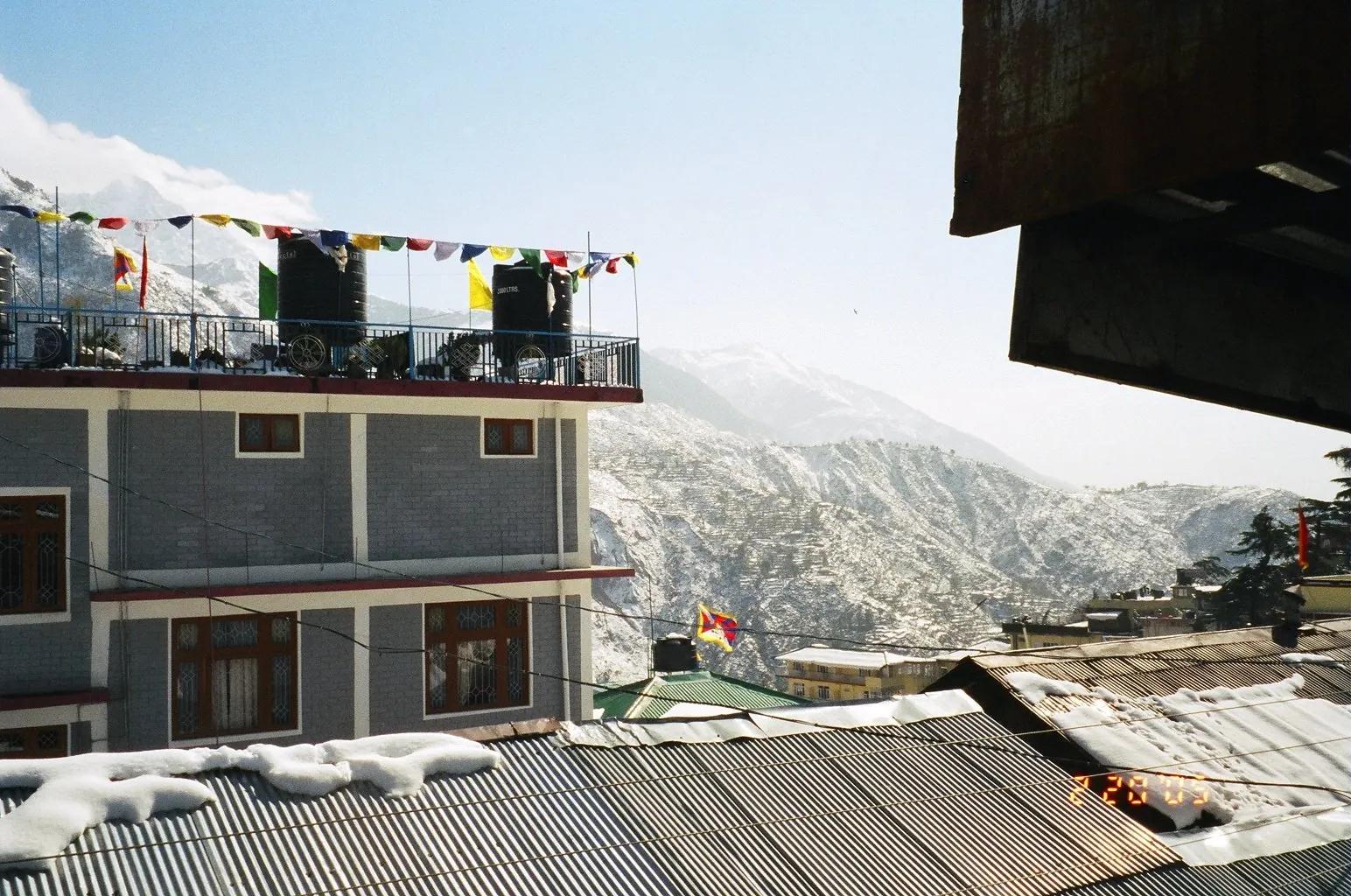
Volunteering in Himachal Pradesh: 12 Organisations and How to Apply (2026)
Teach English in McLeod Ganj, conserve the Great Himalayan National Park, build with earth in Bir, or harvest apples in Kullu. Twelve real HP volunteer organisations with honest costs, the visa rule that gets foreigners deported, and how to apply.
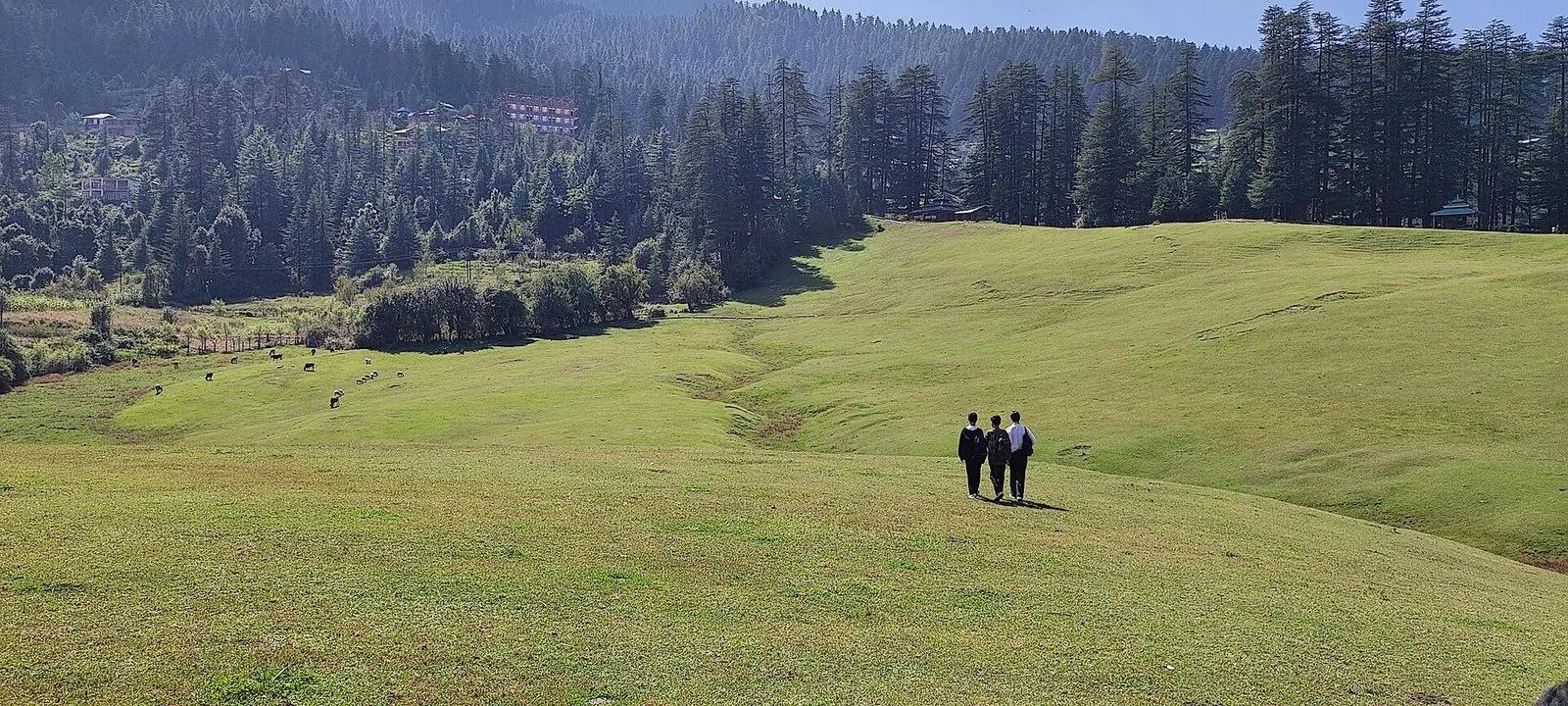
How to Travel Himachal Without Wrecking It: A Quiet-Travel Manual
A non-preachy field manual for responsible travel in Himachal, by a Kullu local: how to behave, when to go, where to go instead, and the 2026 rules and bans that actually matter.
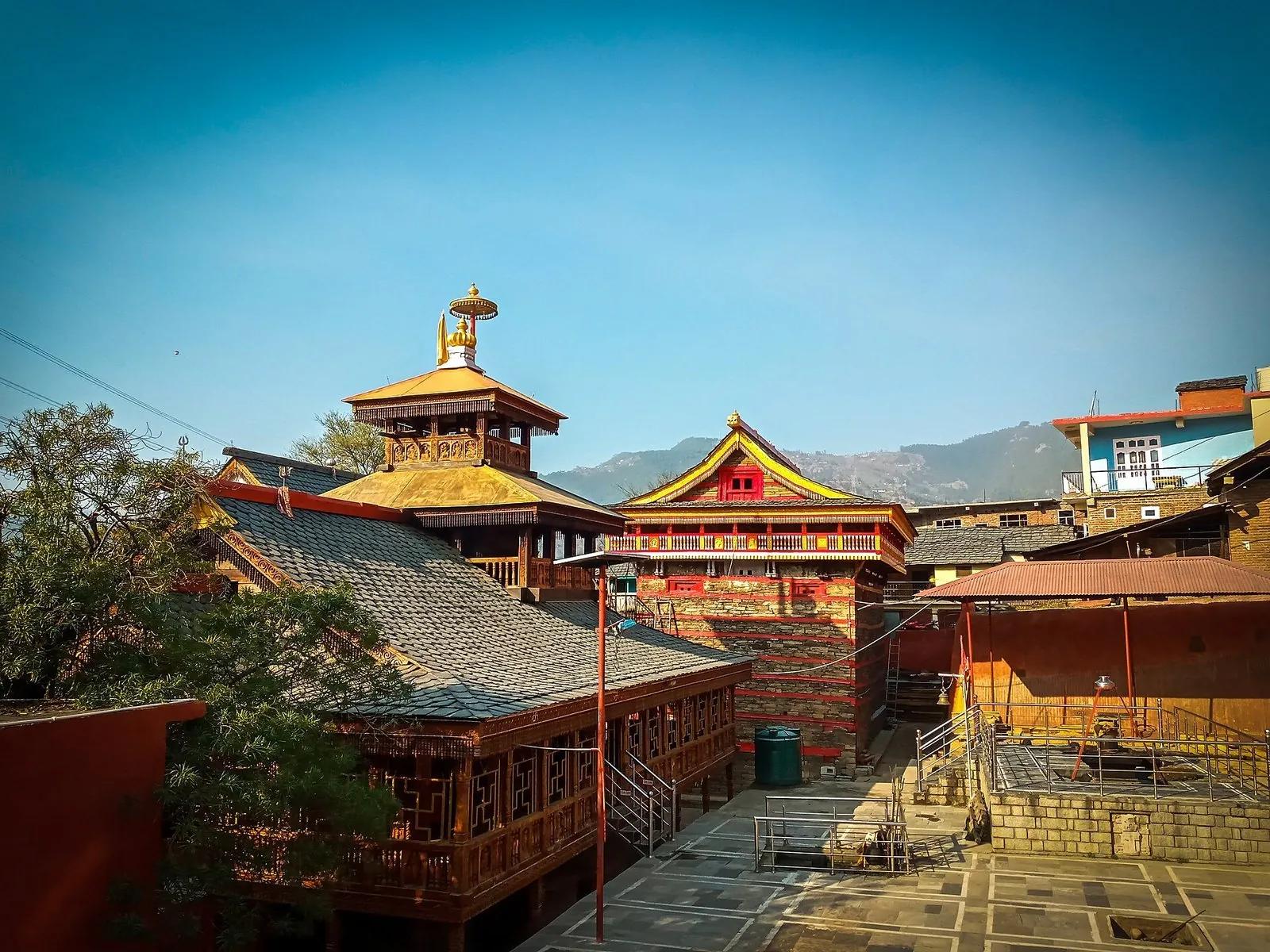
Mamleshwar Mahadev: The Eternal Flame Temple of Karsog
An eternal fire, a fist-sized wheat grain and a six-foot drum, kept in a mortar-less timber temple in the quiet Karsog valley. The honest story of Mamleshwar Mahadev: what is real, what is faith, and how to go.